



Strawberry Legs Treatment: Clear, Smooth Skin Guide
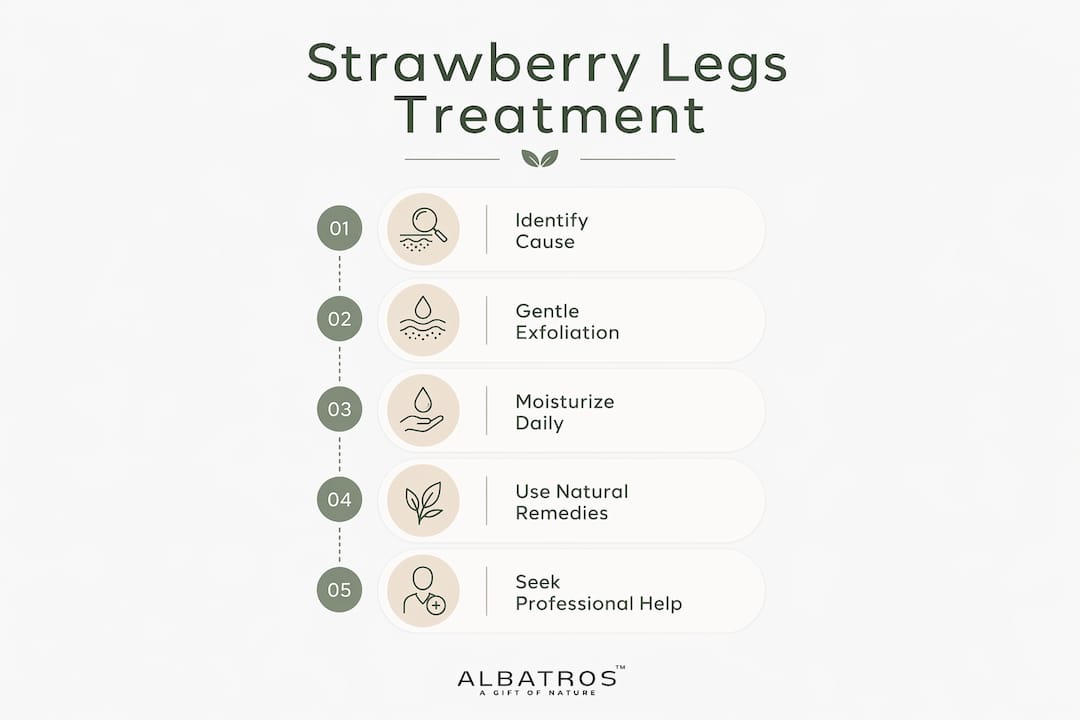
How to treat strawberry legs effectively
Strawberry legs, the clinical term for darkened, dotted pores or hair follicles on the legs, respond well to a consistent, gentle skincare routine. You don’t need aggressive scrubbing or expensive procedures to see real improvement. Dermatologists consistently point to chemical exfoliation and daily moisturizing as the most effective home treatments.
Here’s what works:
- Gentle chemical exfoliation with AHAs or BHAs to unclog follicles without irritation
- Daily moisturization using fragrance-free, dye-free products to support skin barrier repair
- Proper shaving technique: sharp razor, moisturizing cream, shaving with the grain
- Long-term options like laser hair removal for persistent cases
- Consistency over intensity: gentle, repeated care outperforms harsh, occasional treatment
The good news? Strawberry legs are harmless and, with the right approach, very manageable.
What actually causes those dark spots on your legs
The dark dots you see aren’t dirt you missed. They form when hair follicles or pores trap oil, dead skin, and bacteria, then oxidize when exposed to air after shaving. That oxidation turns the debris dark, creating the characteristic speckled look.
Several underlying factors drive this:
- Clogged follicles: Oil and dead skin build up inside the follicle, then darken on contact with air
- Dull razors: Old blades cause razor bumps and can slice off the tops of whiteheads, exposing them and turning them into blackheads
- Shaving against the grain: This increases the risk of ingrown hairs and follicle damage
- Follicular hyperkeratosis (keratosis pilaris): A condition where excess keratin traps inside follicles, creating rough, bumpy texture
- Folliculitis: A bacterial or fungal infection of the hair follicle that may require antibiotics or antifungals
- Friction: Tight clothing or repeated rubbing can inflame follicles and worsen the appearance
Understanding which cause applies to you shapes which treatment will actually work.
Building a daily skincare routine that prevents flare-ups
The most reliable path to clearer legs is a routine you can actually stick to. Dermatologists recommend keeping it simple and gentle.

Exfoliation: chemical beats physical
Harsh physical scrubs can cause micro-tears and worsen inflammation. Chemical exfoliants like glycolic acid (an AHA) and salicylic acid (a BHA) dissolve dead skin cells without abrasion, making them the preferred choice. Use them two to three times per week, not daily.
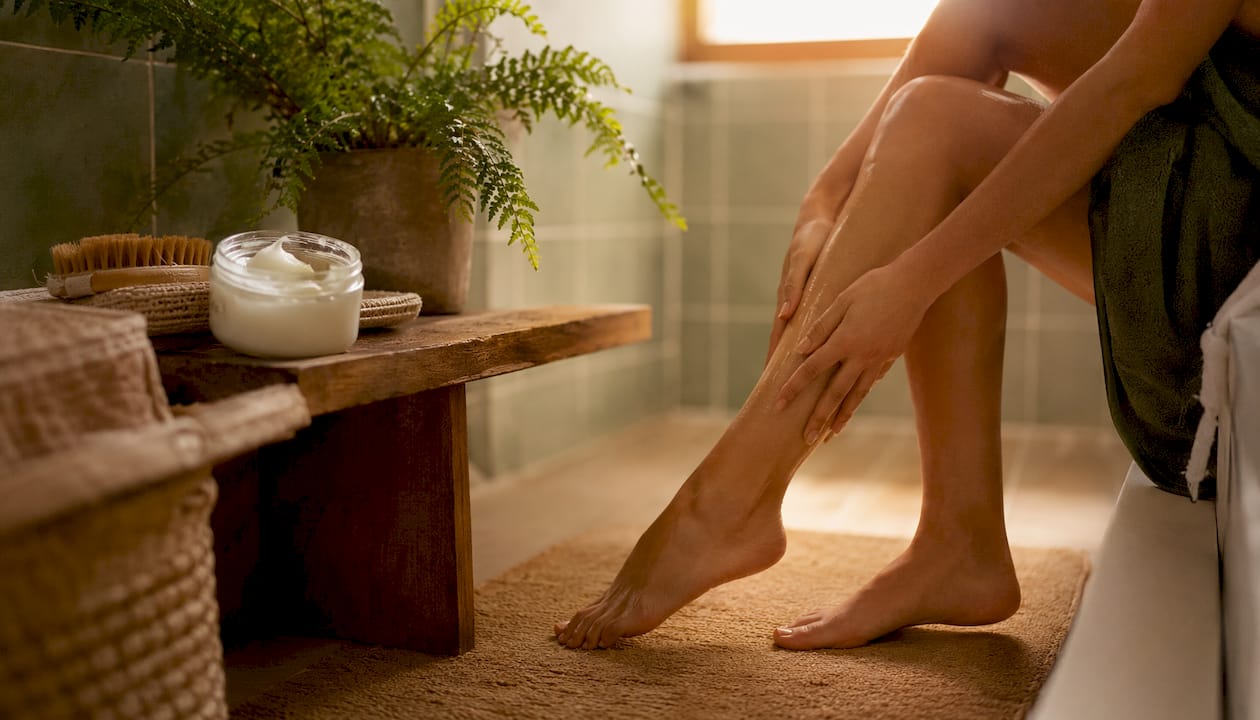
Moisturizing: non-negotiable after every shower
Dry skin makes follicles more visible. Apply a gentle, fragrance-free moisturizer immediately after showering to lock in hydration. Avoid products with dyes or self-tanning ingredients, which can actually accentuate open pores.
Shaving tips that reduce irritation:
- Soften leg hair with warm water before shaving
- Use a moisturizing shaving cream labeled “for sensitive skin”
- Shave in the direction of hair growth, never against it
- Use short, light strokes and rinse the blade frequently
- Change your razor blade after about six shaves
- Store your razor outside the shower to prevent bacterial growth
Pro Tip: Dry brushing before your shower, using circular motions on dry skin, removes dead skin buildup and keeps pores clear. It’s one of the most effective pre-shave prep steps you can add to your routine.
Natural remedies and product choices that actually help
Home remedies work best when they complement, not replace, a solid skincare routine. A few options stand out.
Coconut oil is a popular natural moisturizer that softens skin and reduces dryness around follicles. It won’t unclog pores on its own, but it supports the skin barrier between exfoliation sessions.
AHA and BHA products are the real workhorses here. Look for over-the-counter lotions or serums containing glycolic acid, lactic acid, or salicylic acid. These dissolve the keratin and debris that clog follicles, and they’re gentle enough for regular use.
What to avoid:
- Self-tanning moisturizers, which highlight open pores and make dark spots more visible
- Products with added fragrances or dyes, which irritate sensitive skin
- Harsh physical scrubs with large, jagged particles
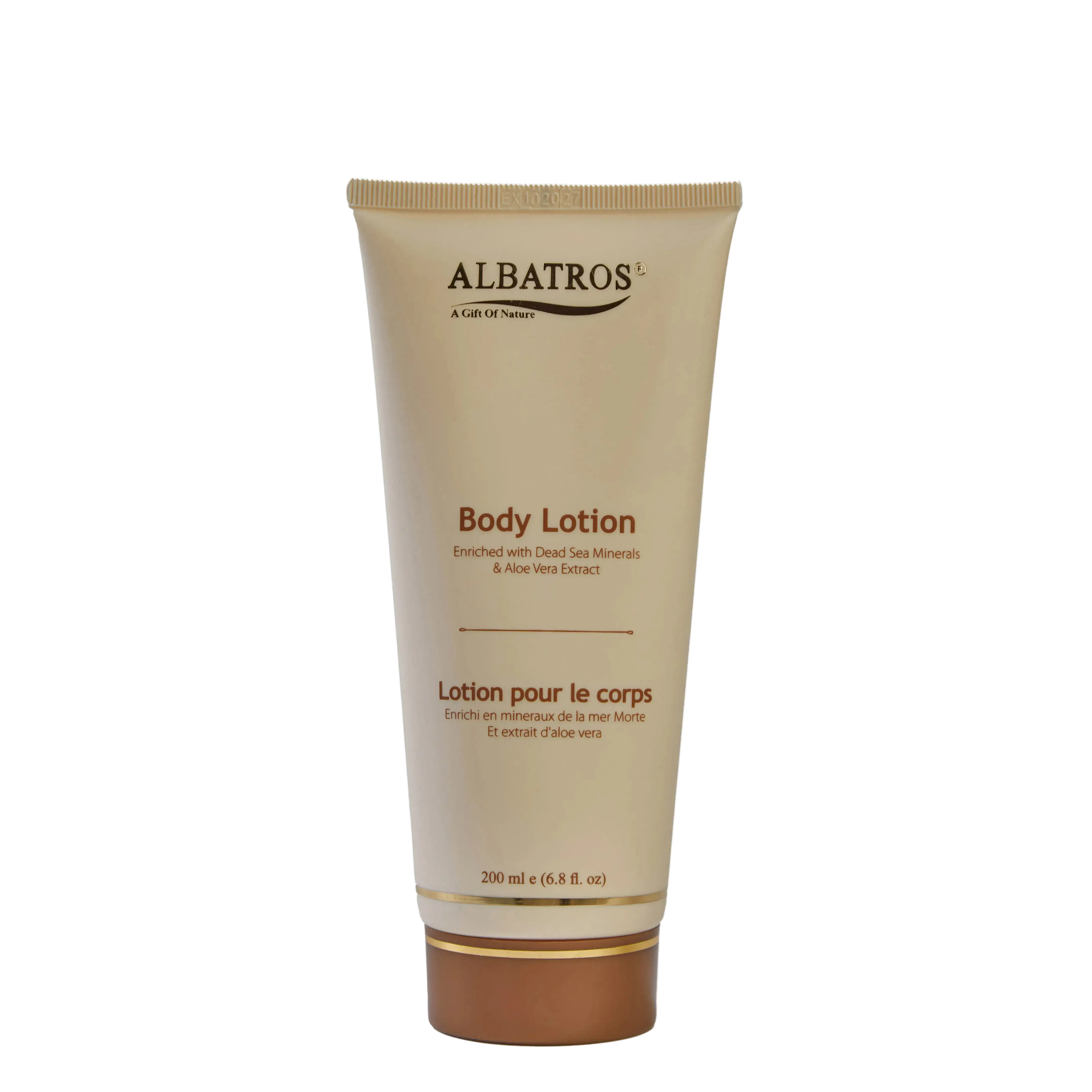
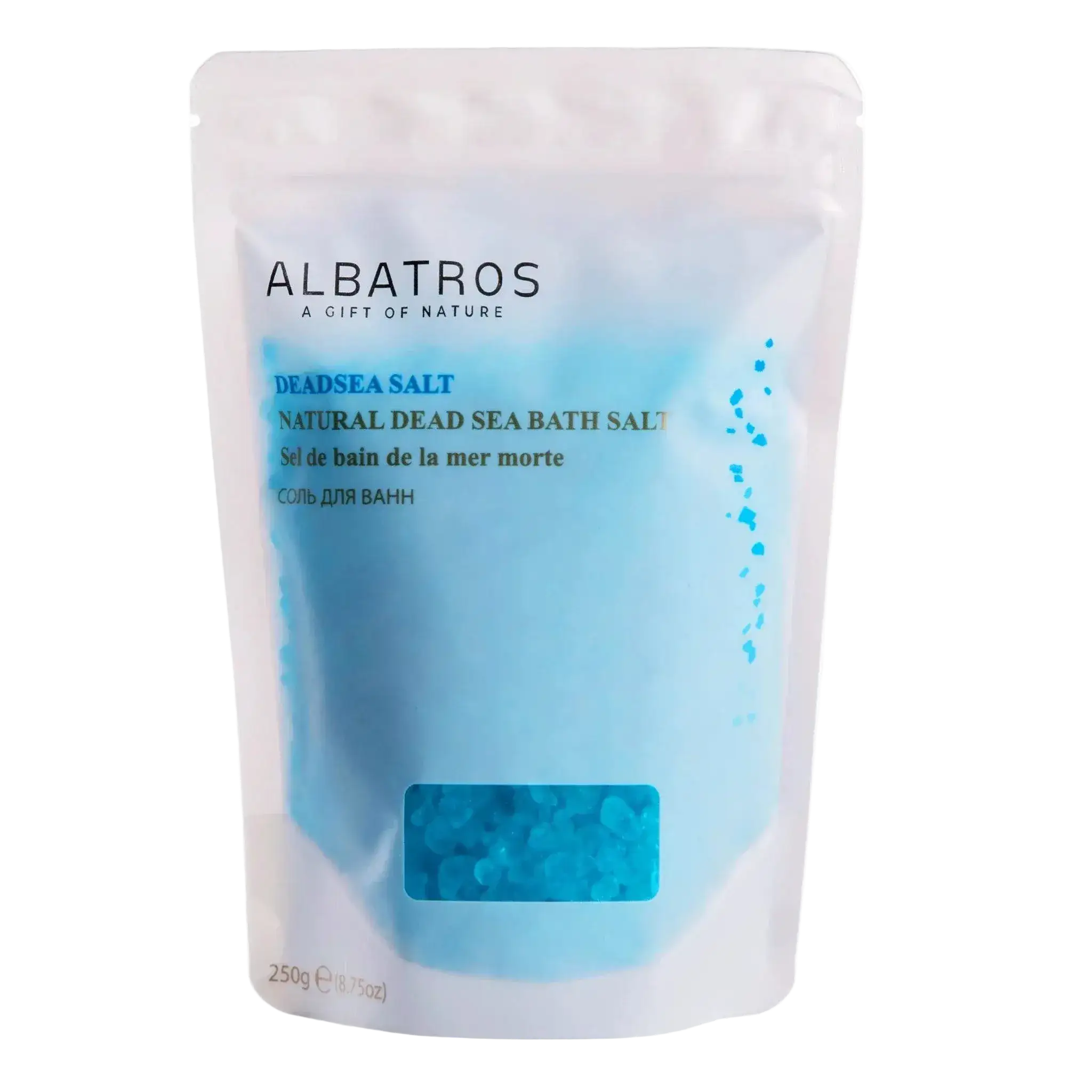
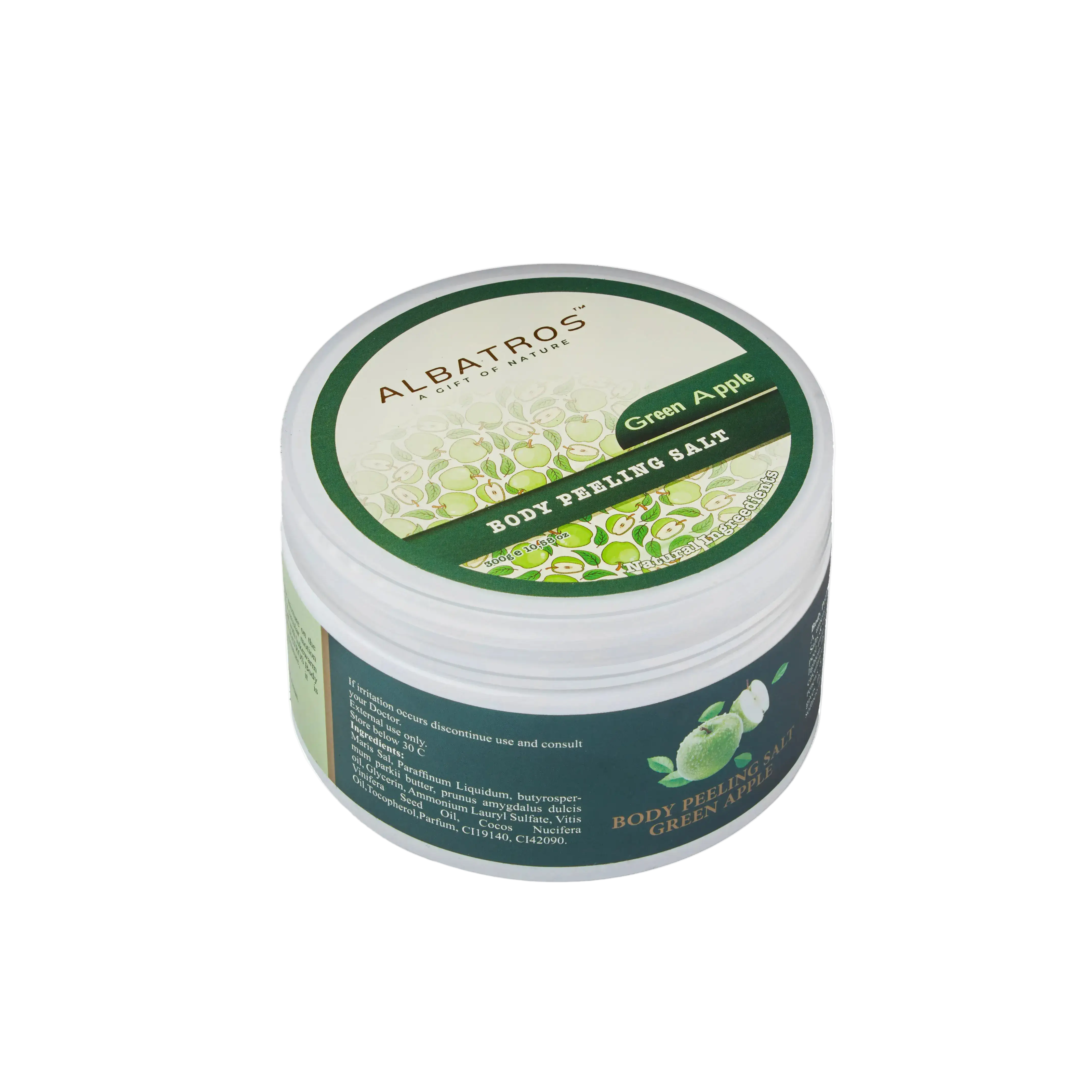
Dead Sea mineral-based products offer a natural alternative worth considering. Mineral-rich formulations support skin hydration and texture improvement without synthetic additives. Albatros’s Dead Sea body scrubs use natural peeling salts that exfoliate gently while delivering minerals directly to the skin.
Pro Tip: When choosing a moisturizer, look for fragrance-free formulas with ceramides or urea. These ingredients actively repair the skin barrier rather than just sitting on the surface.
When home care isn’t enough: professional treatment options
If your strawberry legs persist after several weeks of consistent home care, professional treatments can offer more lasting results.
- Laser hair removal: Reduces hair density and follicle visibility over multiple sessions, typically two to six. It targets the follicle at the root, minimizing both dark spots and ingrown hairs. Most effective for people with fair skin and dark hair.
- Electrolysis: Uses a low electrical current to permanently destroy individual follicles. Requires multiple sessions but carries minimal side effects.
- Chemical peels: A dermatologist applies a medical-grade exfoliant to remove layers of dead skin and unclog pores more deeply than any at-home product can.
- Topical retinoids: Prescription-strength retinoids accelerate cell turnover and help clear follicles blocked by excess keratin.
- Antibiotics or antifungals: When folliculitis or infection is the underlying cause, oral or topical antibiotics are necessary. Fungal folliculitis requires antifungal treatment.
See a dermatologist if you notice pain, swelling, itching, or pustules around the follicles. Those symptoms suggest an infection, not just cosmetic clogging, and home remedies won’t resolve them.
How Albatros Dead Sea mineral skincare supports your skin
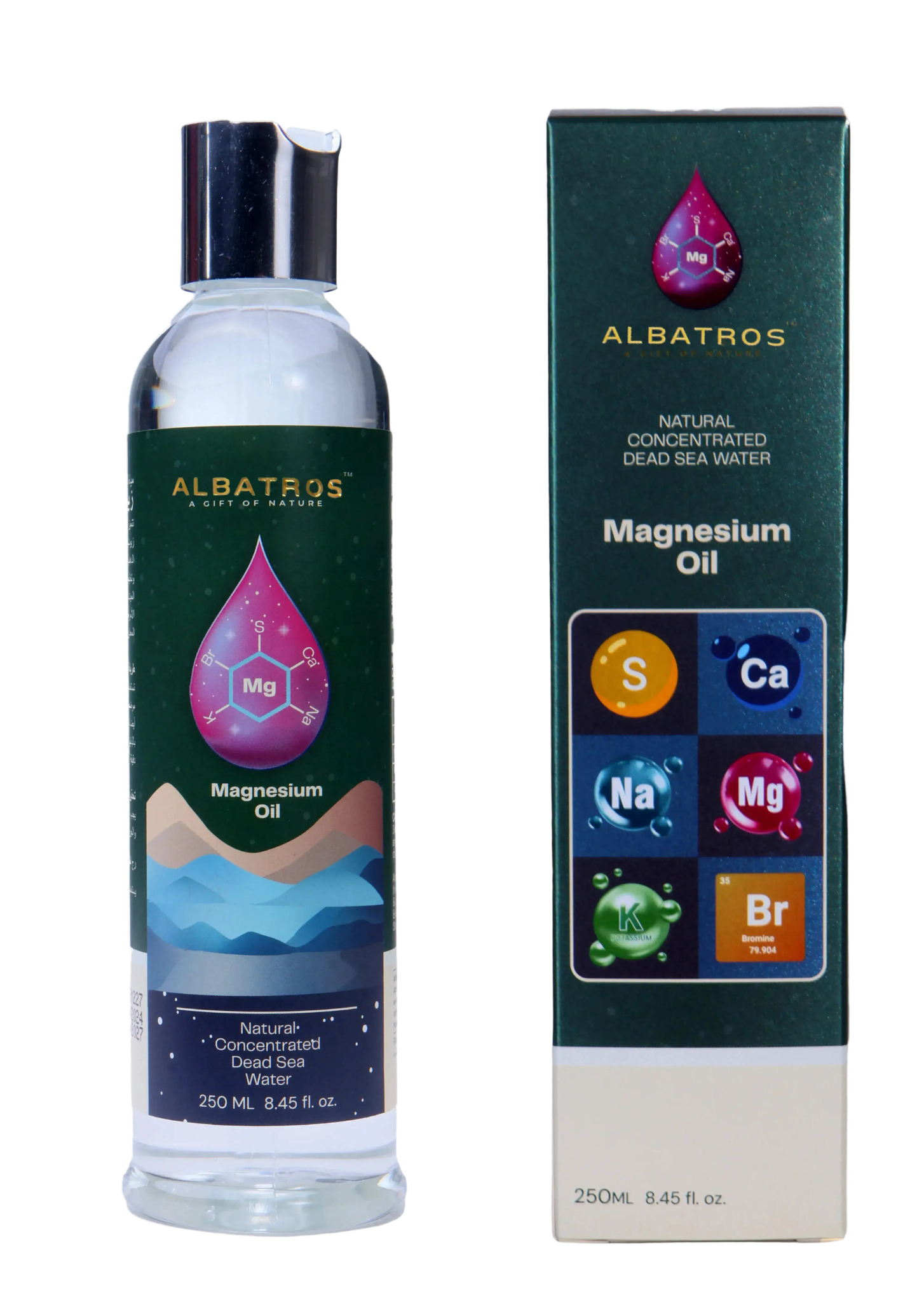
Albatros formulates its products around the natural minerals of the Dead Sea, an approach that directly supports the skin barrier repair central to managing strawberry legs. Dead Sea minerals, including magnesium, calcium, and potassium, help regulate hydration and reduce inflammation at the follicle level.
For people dealing with strawberry legs, a few Albatros products are particularly well-suited:
- Dead Sea body scrubs: Available in lavender, lemon, and unscented varieties, these peeling salts exfoliate gently without the micro-tears caused by harsh physical scrubs.
- Mud masks: Albatros mud masks draw out impurities from pores while delivering minerals that soothe irritated skin. The Soothing Mud Mask with Aloe Vera and Tea Tree is especially useful for skin prone to folliculitis.
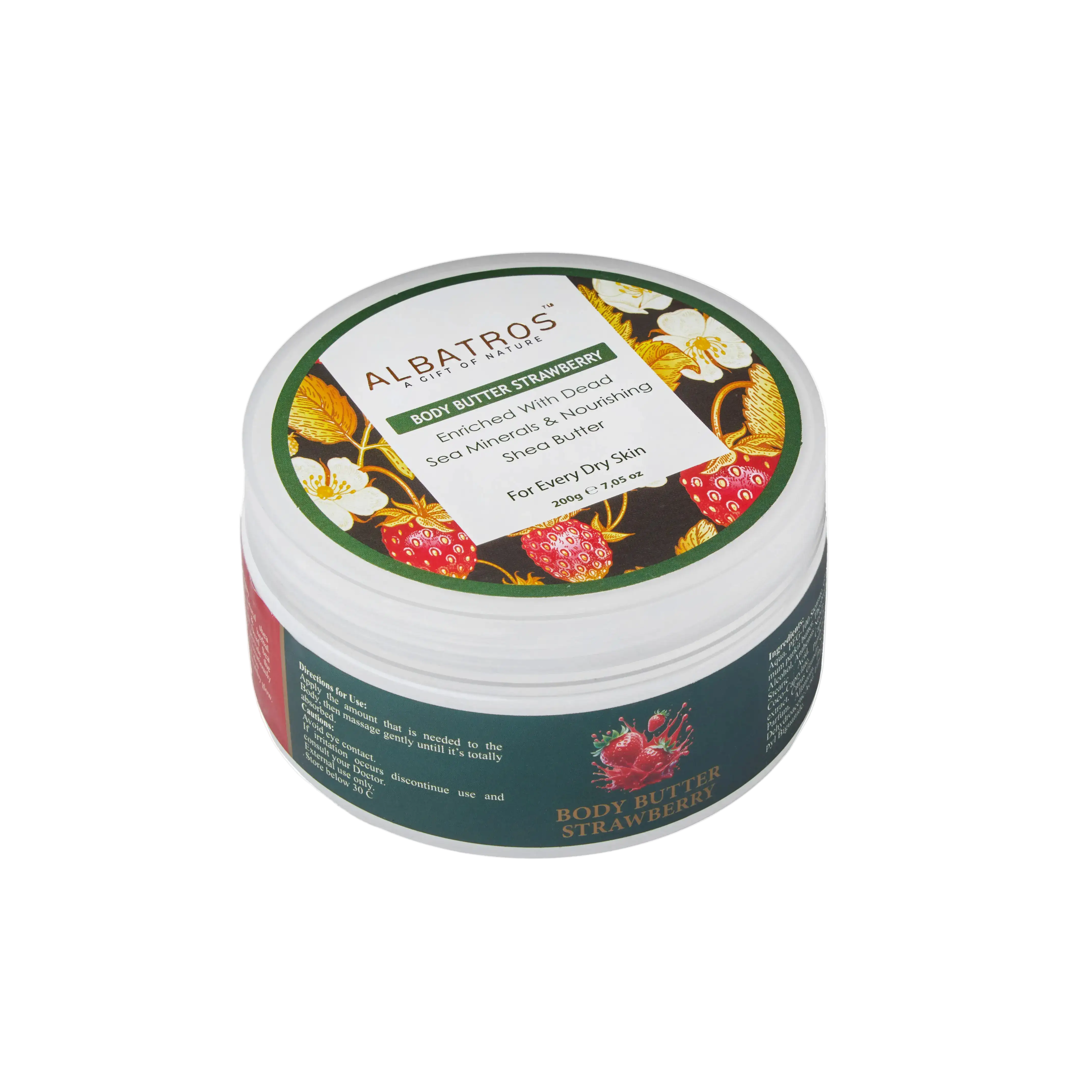
- Body butter and moisturizers: The Mango Body Butter with Dead Sea minerals delivers deep hydration post-exfoliation, supporting the skin barrier without synthetic fragrances.
All Albatros products are formulated with 100% natural ingredients and are suitable for sensitive skin, making them a practical fit for anyone whose legs react badly to conventional skincare.
Pro Tip: Pair an Albatros body scrub with the Mango Body Butter immediately after showering. The scrub clears dead skin and debris; the butter seals in moisture while minerals get to work. Consistent use twice a week produces noticeable texture improvement within a few weeks.

Explore the full range at the Albatros Dead Sea Beauty Kit to find a complete routine built around natural mineral skincare.
Common mistakes that make strawberry legs worse
Even well-intentioned skincare habits can backfire. These are the most frequent errors dermatologists see:
- Over-exfoliating: More exfoliation is not better. Exfoliating daily, or using multiple exfoliating products at once, triggers inflammation that worsens the appearance of follicles.
- Using dull razors: A blade past its prime drags across the skin, causing micro-irritation and razor bumps with every stroke.
- Skipping moisturizer: Dry skin makes follicles look more pronounced. Moisturizing is not optional.
- Rubbing legs dry: Towel-rubbing after shaving irritates freshly exposed follicles. Pat dry instead.
- Applying self-tanner: Self-tanning products settle into open pores and make dark spots significantly more visible.
- Shaving dry: No shaving cream means no protective barrier between the blade and your skin.
- Ignoring an infection: Treating folliculitis with a body scrub instead of an antibiotic delays healing and can spread the infection.
How treatment differs depending on your skin type
Strawberry legs look similar across skin types, but the right approach varies based on your skin’s specific needs.
Sensitive skin: Stick to fragrance-free, dye-free products. Avoid physical scrubs entirely and opt for low-concentration AHAs (lactic acid at 5–10%) rather than stronger glycolic acid formulas. Moisturize twice daily.
Oily or acne-prone skin: Salicylic acid is your best tool. It’s oil-soluble, so it penetrates into the follicle and dissolves the sebum and debris that cause clogging. Use a BHA product two to three times per week.
Dry skin: Prioritize moisturization as much as exfoliation. Urea-based creams or ceramide-rich lotions repair the skin barrier and reduce the flakiness that clogs follicles. Exfoliate gently once a week.
Darker skin tones: Post-inflammatory hyperpigmentation can make strawberry legs more visible and slower to fade. Avoid aggressive physical exfoliation, which can trigger more pigmentation. Niacinamide-containing moisturizers help fade dark spots over time alongside gentle chemical exfoliation.
Keratosis pilaris: This genetic condition requires consistent, long-term management. Urea, lactic acid, and salicylic acid all help soften the keratin plugs, but results take weeks of daily use to appear.
Key Takeaways
Consistent, gentle care is the most effective strawberry legs treatment: exfoliate chemically, moisturize daily, and shave properly to see lasting improvement.
| Point | Details |
|---|---|
| Chemical exfoliation works best | AHAs and BHAs dissolve follicle debris without the micro-tears caused by harsh physical scrubs. |
| Moisturize every day | Fragrance-free, dye-free moisturizers reduce pore visibility and support skin barrier repair. |
| Shaving technique matters | Sharp razors, moisturizing cream, and shaving with the grain prevent the irritation that causes dark spots. |
| Professional options exist | Laser hair removal and electrolysis offer long-term reduction of follicle visibility for persistent cases. |
| Skin type shapes your routine | Oily skin benefits most from salicylic acid; dry or sensitive skin needs gentler AHAs and intensive moisturization. |
Recommended
Read more

Magnesium, potassium, calcium — discover why Dead Sea minerals have been prized for skin health since Cleopatra's time, and how to use them in your routine.
The Dead Sea holds one of nature's most powerful skincare secrets. Discover how its unique mineral composition — magnesium, potassium, calcium, and more — can transform your skin.
Leave a comment
All comments are moderated before being published.
This site is protected by hCaptcha and the hCaptcha Privacy Policy and Terms of Service apply.