

Dead Sea Salt for Psoriasis: What the Research Actually Shows
Short answer: Dead Sea salt is the most heavily researched natural mineral used for psoriasis-prone skin. Four-week climatotherapy programmes at the Dead Sea itself have produced average PASI reductions of around 81%, with complete clearance in roughly half of participants. At home, the evidence is narrower but real: a controlled trial found that bathing in a 5% Dead Sea salt solution improved skin barrier function, increased hydration, and reduced roughness and redness compared with plain tap water. Salt bathing at home is supportive care, not a replacement for dermatological treatment — and this guide explains exactly where that line sits.
Why psoriasis-prone skin responds to minerals at all
Psoriasis is an immune-mediated condition in which skin cells turn over far faster than normal, building up into thickened, scaly plaques. It is chronic, it flares and settles, and it is managed rather than cured. Any product or ritual that claims to cure it should be treated with suspicion.
What mineral care can influence is the skin barrier. Psoriasis-affected skin loses water faster than healthy skin, and a compromised barrier makes plaques itchier, rougher and more reactive. Minerals that help the barrier hold moisture address the comfort side of the condition, even though they do nothing to the underlying immune process.
What makes Dead Sea salt different from ordinary sea salt
Ordinary sea salt is roughly 97% sodium chloride. Dead Sea salt is not. Sodium is a minority component, and the balance is made up of magnesium, potassium, calcium and bromide, among more than twenty other minerals. Magnesium chloride alone accounts for roughly a third of Dead Sea salt content, against under 8% in ocean salt.
That distinction matters, because magnesium is the mineral most directly associated with barrier repair. It binds water, influences how skin cells differentiate, and has been shown to speed the recovery of the permeability barrier. The Dead Sea's overall salinity — around ten times that of the ocean — is why the water feels the way it does, but it is the mineral profile, not the saltiness, that the research points to.
What the clinical research actually shows
Treatment at the Dead Sea itself
Climatotherapy at the Dead Sea — a supervised programme combining graduated sun exposure with bathing in the sea — is one of the most studied non-drug approaches to psoriasis anywhere in dermatology.
- A prospective study following 27 patients through a four-week programme recorded an 81.5% average reduction in PASI (the standard Psoriasis Area and Severity Index). Complete clearance was achieved in 48% of participants, with marked or moderate improvement in most of the rest. Average remission after clearance was around 3.3 months.
- Across the wider body of cohort studies, significant improvement is consistently reported in 70–90% of patients completing three- to four-week protocols.
- Later prospective work, including a 2020 cohort study published in Frontiers in Medicine, confirmed both the skin improvements and meaningful gains in quality-of-life scores.
The honest caveat: these results come from a combined intervention. The Dead Sea sits over 400 metres below sea level, and the extra atmosphere filters ultraviolet light in a way that permits longer, gentler UVB exposure than sunlight anywhere else. Controlled UVB is a recognised psoriasis therapy in its own right. Sea bathing contributes, but nobody should read an 81% PASI figure as the effect of salt alone.
Dead Sea salt used away from the Dead Sea
This is the more relevant question for most people, and the research is narrower but genuinely controlled.
The key study is Proksch and colleagues (2005), published in the International Journal of Dermatology. Participants with atopic dry skin bathed one forearm in a 5% magnesium-rich Dead Sea salt solution for 15 minutes, and the other forearm in tap water, over six weeks. The salt-treated arm showed statistically significant improvements in transepidermal water loss, higher stratum corneum hydration, and reduced skin roughness and redness. The authors attributed the effect primarily to magnesium content.
Separately, the TOMESA study group examined balneophototherapy — Dead Sea salt baths combined with narrowband UVB — delivered in clinics far from the Dead Sea, and reported PASI improvement of around 87.5%. That finding matters because it suggests the mineral component travels; it does not require the destination.
For those with psoriatic arthritis, which affects roughly a third of people with psoriasis, a randomised trial by Sukenik and colleagues found that mud packs and sulfur baths added measurable joint benefit — reduced morning stiffness and improved range of motion — beyond climatotherapy alone.
How to use Dead Sea salt at home
If you want to reproduce the conditions the research used, the details matter more than the brand.
- Concentration. Clinical protocols cluster around 5%. For a standard bath that means a generous handful rather than a token sprinkle — roughly 1–2 cups. Under-dosing is the most common mistake.
- Time. 15 to 20 minutes. Longer is not better and can dry the skin.
- Temperature. Warm, never hot. Heat aggravates itch and strips lipids.
- Frequency. Two to three times weekly is the pattern used in the studies. Consistency over weeks is what produced the measured changes, not a single soak.
- Afterwards. Pat dry rather than rubbing, and moisturise within three minutes while skin is still damp. This step does most of the work in retaining what the bath achieved.
- Patch test first. Salt can sting broken or actively inflamed skin.
What not to expect
- It is not a cure. Psoriasis is a chronic immune condition. Nothing you buy will change that.
- It does not replace your treatment. If you have been prescribed topicals, phototherapy or systemic medication, mineral bathing sits alongside them — never instead.
- Do not use it on open or severely inflamed plaques without asking your dermatologist first.
- Results are gradual. The controlled evidence measured change over six weeks, not overnight.
When to see a doctor
Speak to a dermatologist if plaques are spreading, if your joints are painful or stiff, if your scalp or nails are involved, or if the condition is affecting your sleep or mental health. Psoriasis is also associated with other health conditions that deserve proper medical assessment. Home mineral care is a comfort measure and should be discussed as part of a plan, not used as a substitute for one.
Where ALBATROS fits
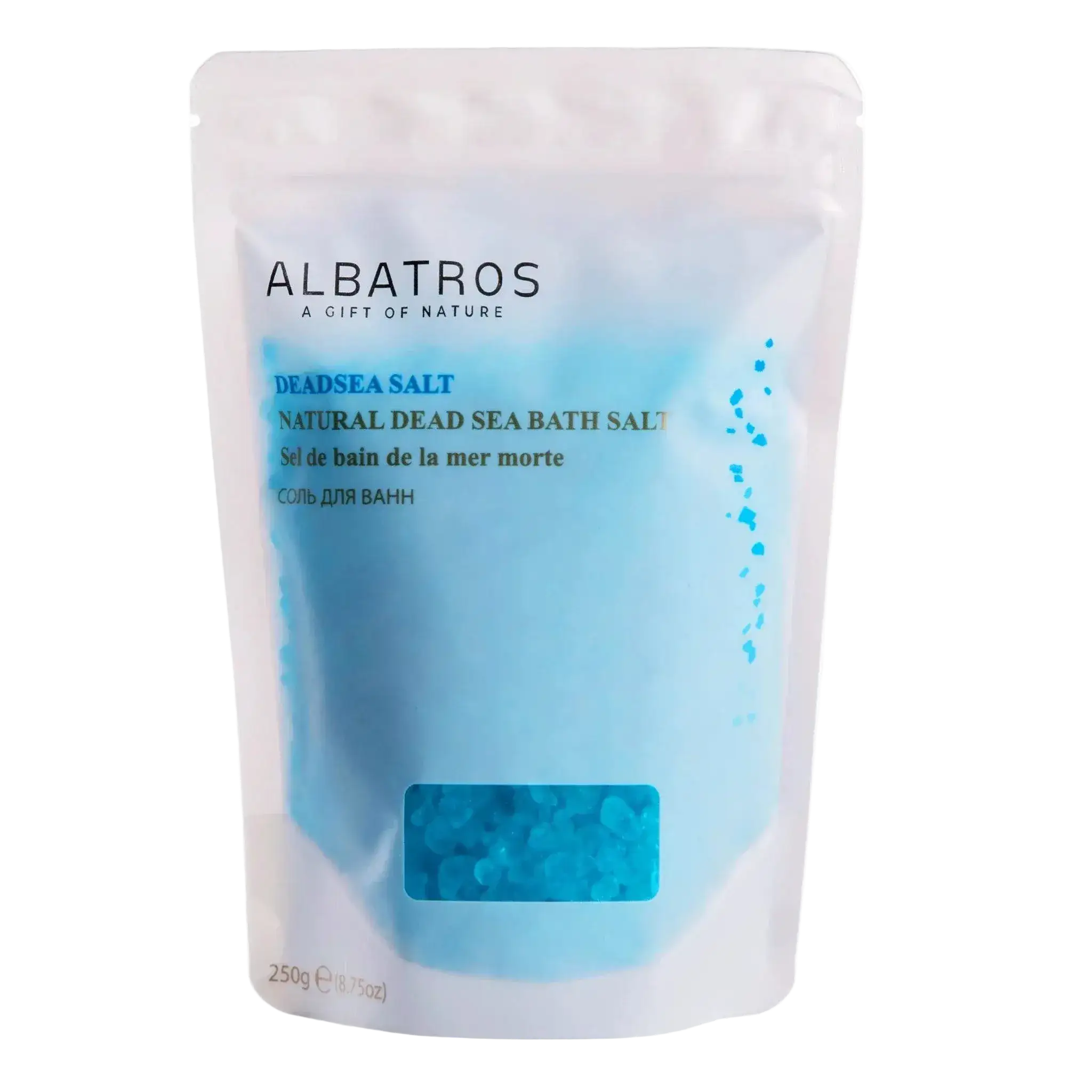
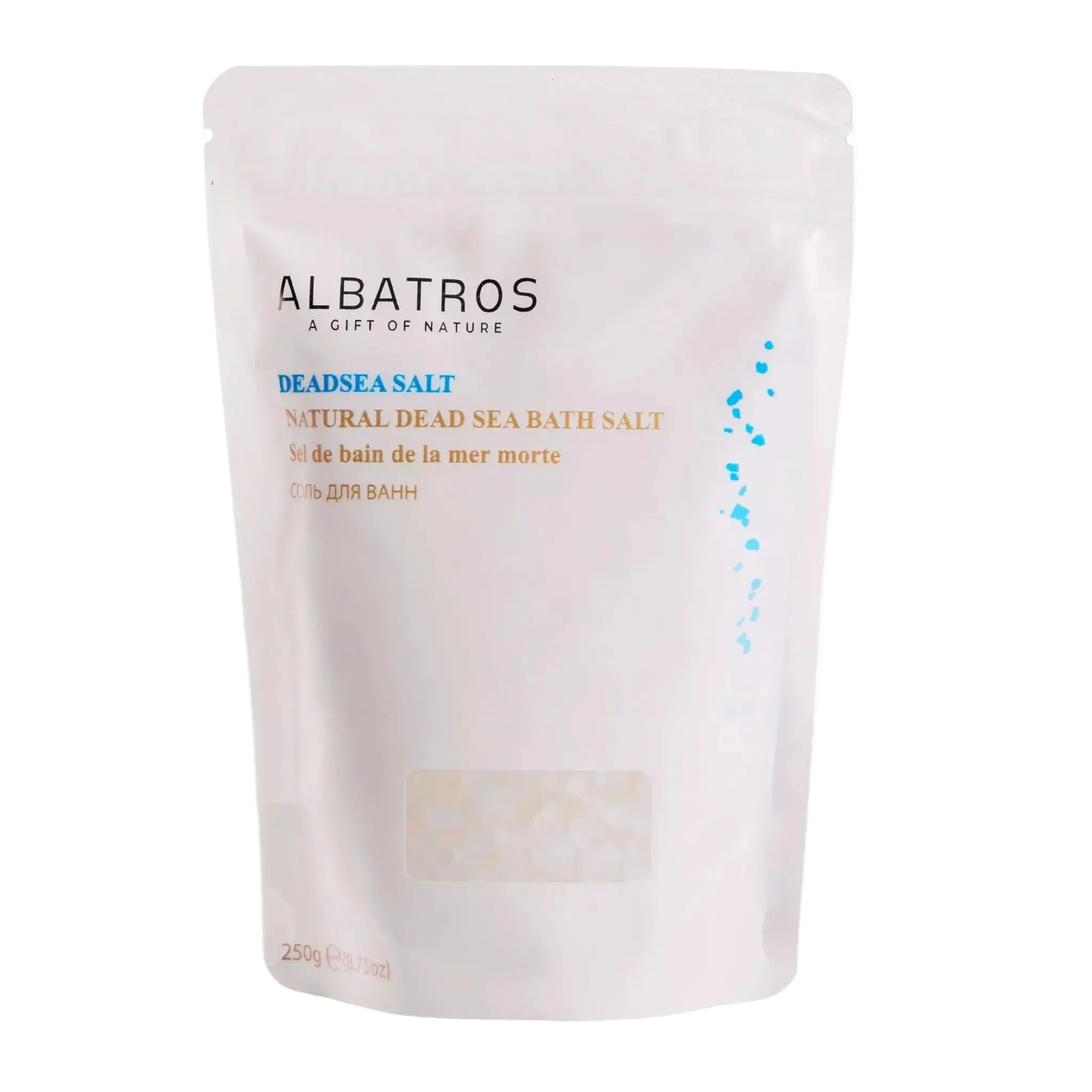
ALBATROS salts and muds are harvested from the Jordanian shore of the Dead Sea and produced in Amman under COSMOS/Ecocert, GMP and ISO certification. They are cosmetic products intended to cleanse, exfoliate and moisturise. They are not medicines, and we do not present them as treatment for psoriasis.
If you are looking to build the kind of routine described above:
- Dead Sea Bath Salts — including an unscented option, which is the sensible choice for reactive skin.
- Sensitive & Eczema-Prone Skin — gentler formulations for skin that flares easily.
- Natural Dead Sea Soaps — mud and sulfur bars for daily cleansing without stripping.
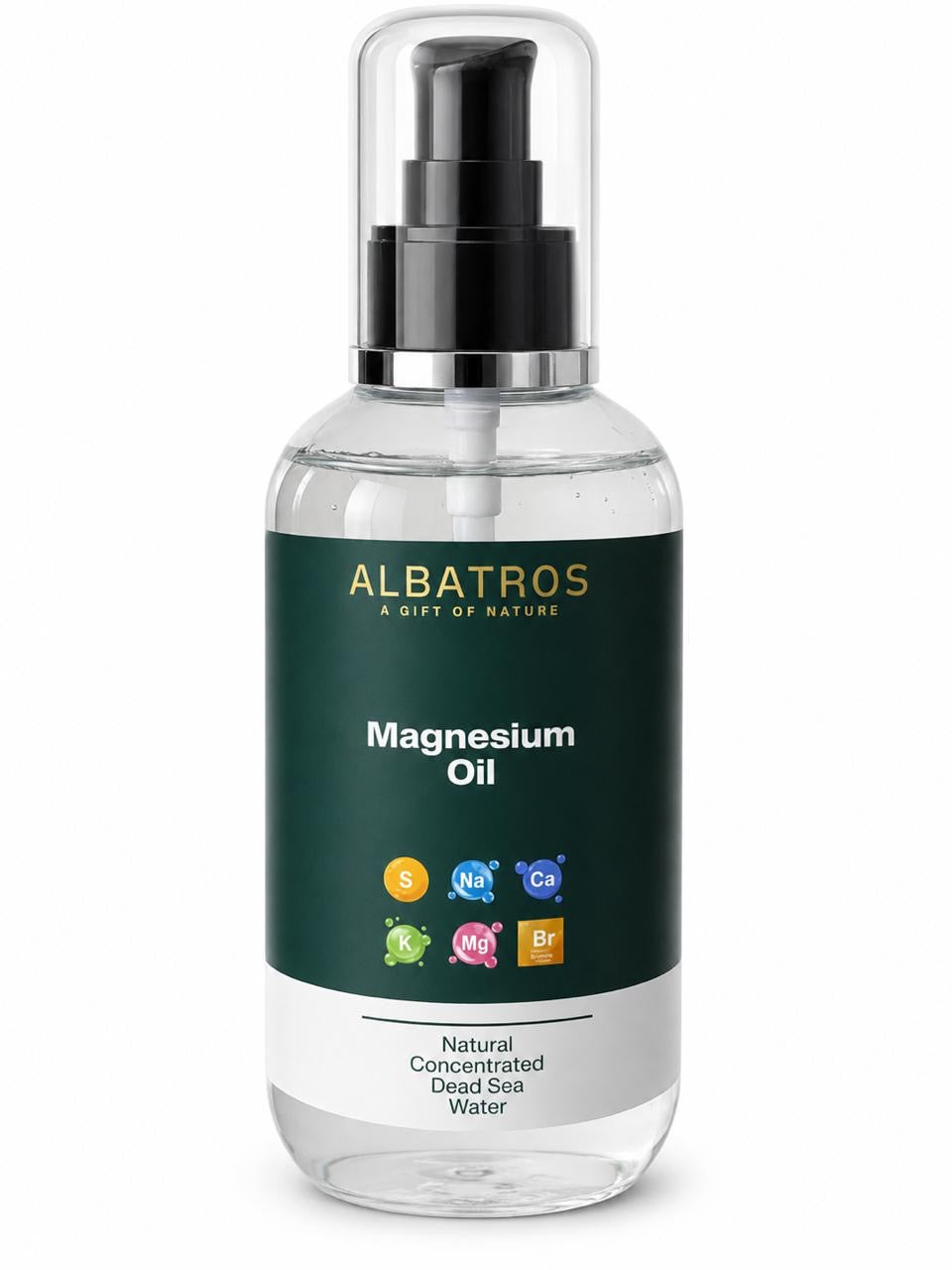
- Dead Sea Magnesium Oil — topical magnesium for targeted areas between baths.
- The full mineral breakdown — how magnesium, potassium, calcium and bromide each work.
Frequently asked questions
Does Dead Sea salt cure psoriasis?
No. Psoriasis is a chronic immune-mediated condition with no cure. Research supports Dead Sea mineral bathing as a way to improve skin barrier function, hydration and roughness — comfort measures that sit alongside medical treatment.
How much Dead Sea salt should I use in a bath?
Clinical studies used a 5% solution. For a standard domestic bath that is roughly one to two cups. Soak for 15 to 20 minutes in warm water, two to three times a week.
Is Dead Sea salt better than Epsom salt for psoriasis?
They are different compounds. Epsom salt is magnesium sulfate; Dead Sea salt is a chloride salt with a much broader mineral spectrum including potassium, calcium and bromide. The controlled evidence for skin barrier improvement specifically used magnesium-rich Dead Sea salt.
Can I use Dead Sea salt during an active flare?
Salt can sting cracked or openly inflamed skin. Patch test first, and if plaques are broken or severely inflamed, ask your dermatologist before soaking.
How long before I see a difference?
The controlled trial measured improvements across six weeks of regular bathing. Treat it as a routine rather than a one-off, and give it at least a month before judging.
Do I need to travel to the Dead Sea to benefit?
The strongest results come from supervised programmes at the Dead Sea, where filtered UVB is part of the therapy. But balneophototherapy research shows that Dead Sea salt baths delivered in clinics elsewhere also improve outcomes, so the mineral component is not location-dependent.
Sources
- Proksch E, Nissen HP, Bremgartner M, Urquhart C. Bathing in a magnesium-rich Dead Sea salt solution improves skin barrier function, enhances skin hydration, and reduces inflammation in atopic dry skin. International Journal of Dermatology, 2005;44(2):151–7.
- Hodak E, et al. Climatotherapy at the Dead Sea is a remittive therapy for psoriasis: combined effects on epidermal and immunologic activation. Journal of the American Academy of Dermatology, 2003.
- TOMESA Study Group. Balneophototherapy with Dead Sea salt solution and narrowband UVB, 2011.
- Emmanuel T, Lybæk D, Johansen C, Iversen L. Effect of Dead Sea Climatotherapy on Psoriasis: A Prospective Cohort Study. Frontiers in Medicine, 2020;7:83.
- Sukenik S, et al. Randomised trial of mud packs and sulfur baths in psoriatic arthritis, 1994.
This article is general information about cosmetic mineral care and is not medical advice. It does not diagnose, treat or cure any condition. If you have psoriasis, speak to a qualified dermatologist about your treatment plan.
Read more
Discover how a Dead Sea mineral serum firms skin, reduces fine lines and boosts hydration — and how to use ALBATROS Mineral Beauty Serum every day.
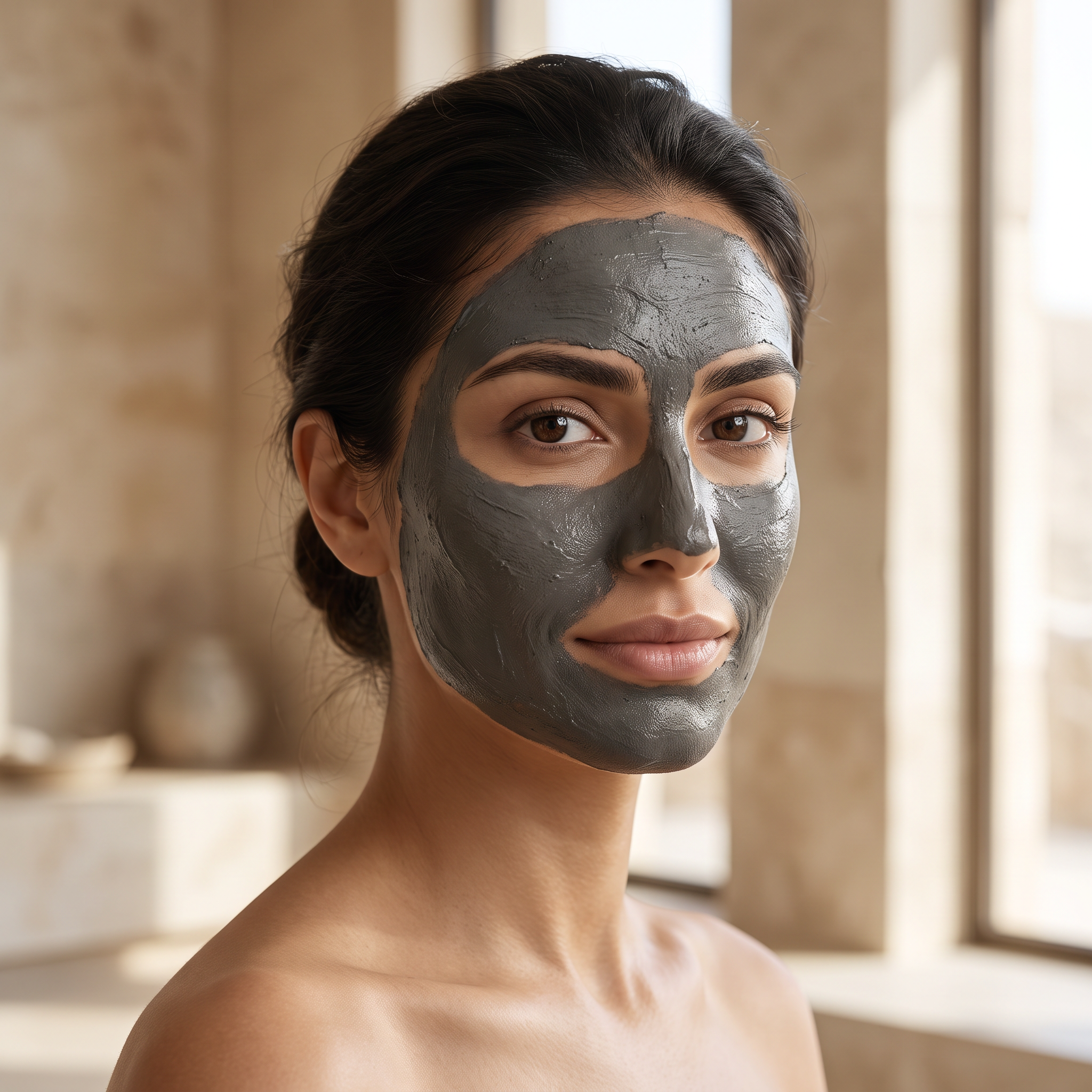
A Dead Sea mud mask absorbs excess oil, lifts away dirt and dead skin cells, and leaves skin smoother. Here is what the mud actually does, how to use one properly, and how to choose the right versi...
Leave a comment
All comments are moderated before being published.
This site is protected by hCaptcha and the hCaptcha Privacy Policy and Terms of Service apply.