

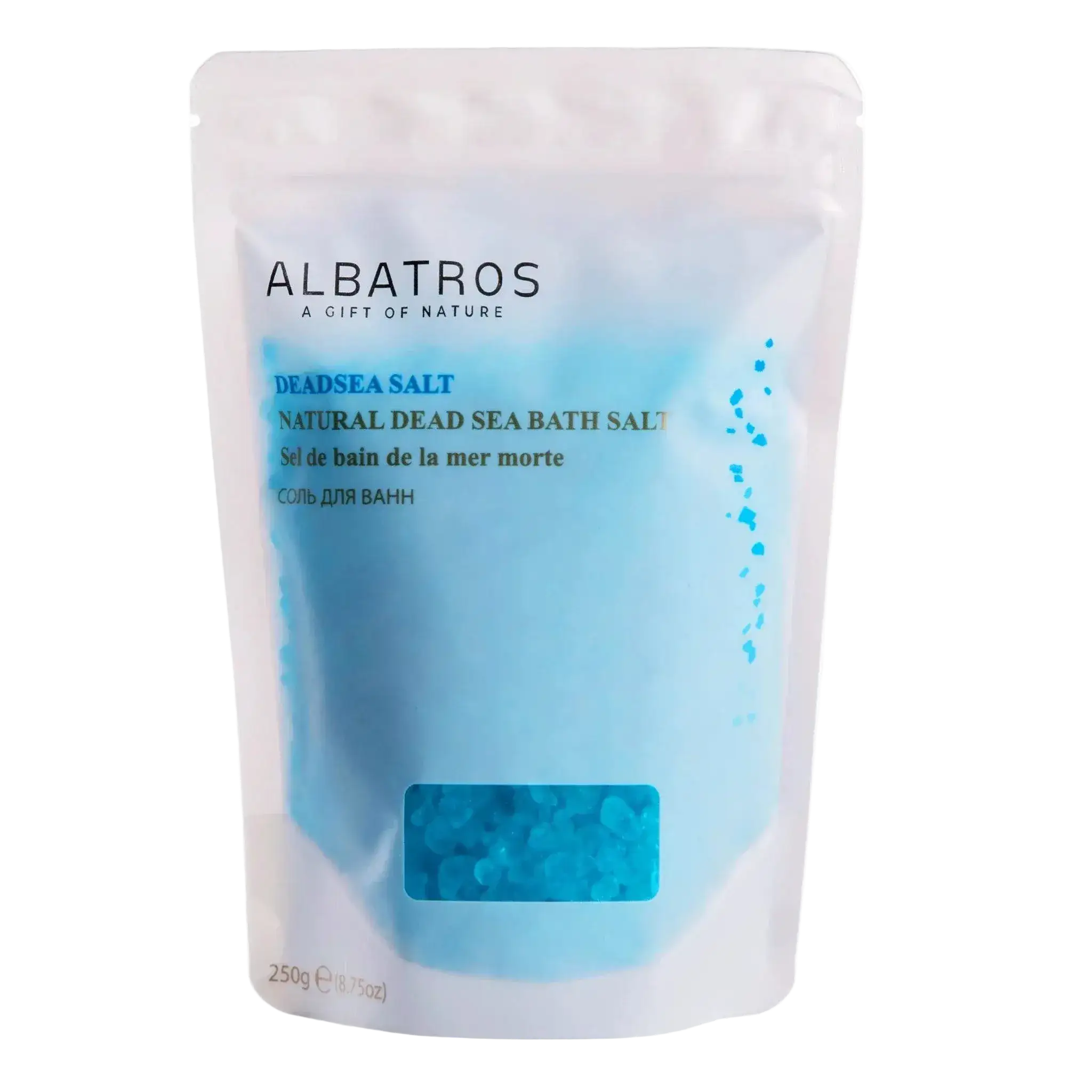
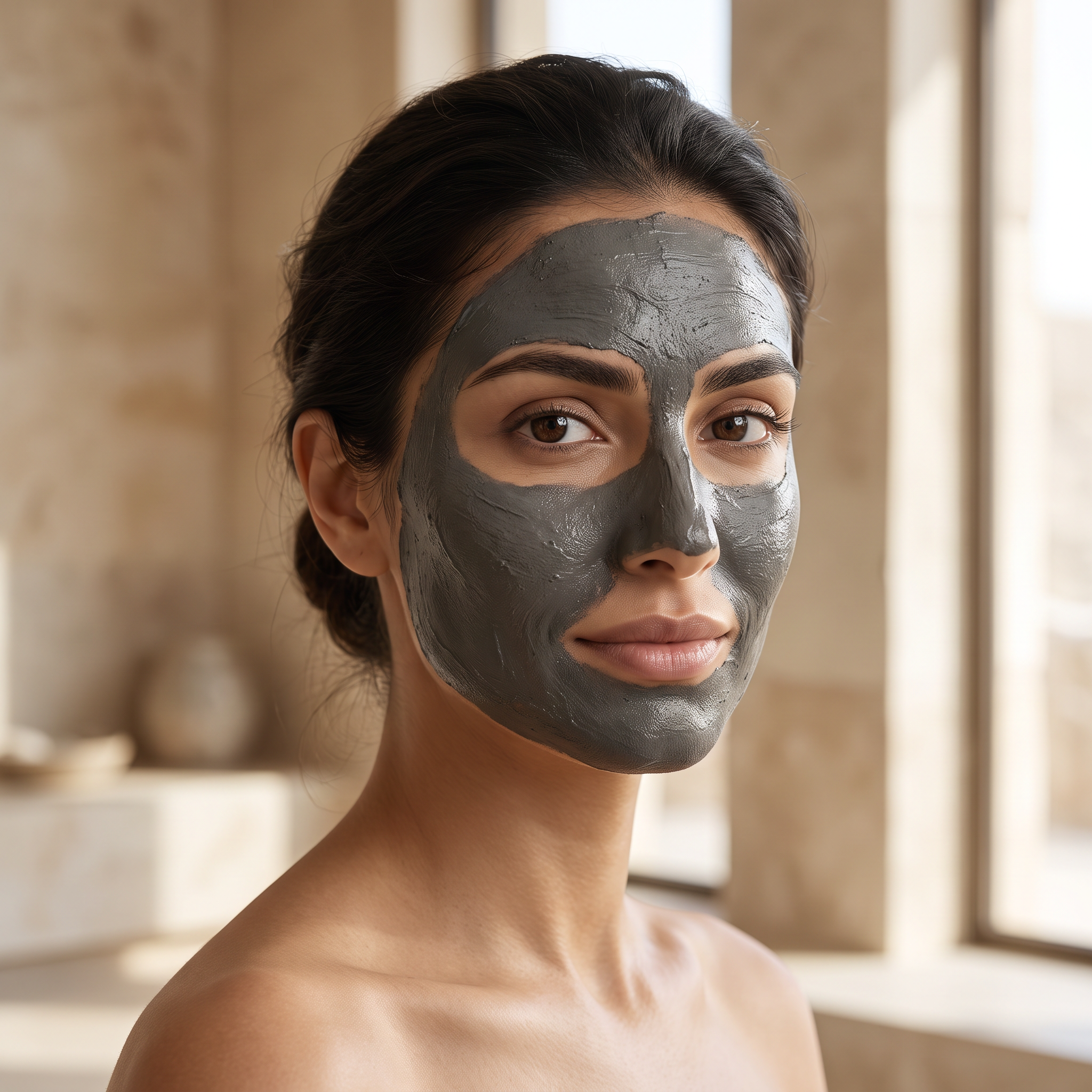
Dead Sea Mud Mask: Benefits, How to Use, and Which One Is Right for Your Skin
A Dead Sea mud mask is a facial or body treatment made from mineral-rich silt drawn from the shores of the Dead Sea. Applied for 10 to 15 minutes, it absorbs excess surface oil, lifts away dirt and dead skin cells, and leaves skin feeling clean, smooth, and refined. Used once or twice a week, it suits most skin types — though which mask you pick should depend on whether your skin runs oily, dry, sensitive, or uneven in tone.
What follows is what the mud is, what it can and cannot do, how to use one properly, and how to choose between the versions on the market.
What is Dead Sea mud, exactly?
The Dead Sea sits roughly 430 metres below sea level, the lowest exposed point on earth. Water flows in and never flows out; it leaves only by evaporation, and everything dissolved in it stays behind. Over thousands of years that process has produced a body of water around 33% salt — and a black silt on its floor that carries an unusually dense mineral load.
The minerals that matter for skin are magnesium, calcium, potassium, bromide, and sodium. Magnesium is the one most often credited with supporting the skin’s barrier function. Bromide and potassium are associated with soothing sensations on irritated skin. The silt itself is fine-grained, which is why a Dead Sea mud mask exfoliates gently as you rinse it off rather than scrubbing at the skin.
Not all mud sold under the name is the same. Mud that has been diluted with kaolin or bentonite clay to bulk it out behaves more like a standard clay mask. Ours is sourced directly from the Jordanian shore of the Dead Sea, which is why we say so on the label.
What a Dead Sea mud mask actually does
Realistic, observable effects after regular use:
- Absorbs excess oil. The mud binds surface sebum. Skin looks less shiny and pores appear smaller immediately after rinsing.
- Deep-cleanses pores. It draws out the mix of oil, dirt, and dead cells that makes blackheads visible.
- Exfoliates gently. The fine grain sloughs off dull surface cells without the micro-tears a harsh physical scrub can cause.
- Improves texture. Skin feels smoother and takes serums and moisturisers better afterwards — which is the real argument for masking before the rest of your routine, not after.
- Soothes the feeling of tight, dry skin. The mineral content is what people are describing when they say their skin feels calmer.
What it does not do: it will not cure acne, it will not remove wrinkles, and it will not treat a skin condition. If you are dealing with something medical, a mask is a comfort measure alongside proper care, not a substitute for it. We looked at the clinical literature on this in our piece on what the research shows about Dead Sea salt and psoriasis.
How to use a Dead Sea mud mask
- Start with clean, dry skin. Wash first — a mask applied over makeup or sunscreen is working on the wrong surface. A Dead Sea mud soap does this job with the same minerals.
- Apply a thin, even layer. Thin is deliberate. A thick layer takes longer to dry, dries unevenly, and wastes product. Avoid the eye area and the lips.
- Leave it on 10 to 15 minutes. Remove it while it is still slightly tacky. Letting a mud mask dry to a hard, cracking crust pulls moisture out of the skin and is the single most common mistake people make.
- Rinse with lukewarm water. Work in small circles with your fingertips as you rinse — that is where the gentle exfoliation happens. Hot water strips the skin.
- Moisturise straight away. Skin is at its most receptive right after a mask. This is the step most people skip and then wonder why their face feels tight.
How often: once or twice a week for oily and combination skin. Once every one to two weeks for dry or sensitive skin. More is not better; over-masking strips the barrier and produces exactly the oiliness you were trying to reduce.
Patch test first if your skin is reactive. Inner forearm, 24 hours.
Choosing the right Dead Sea mud mask
The base mud is the same. What changes is what has been added to it, and that is what should decide your pick.
| If your skin is… | Choose | Why | Price |
|---|---|---|---|
| Oily, congested, blackhead-prone | Dead Sea Facial Mud Mask 200g | Pure mud, nothing added, the largest size. Strongest oil absorption. | $21 |
| Sensitive, red, easily irritated | Soothing Mud Mask – Aloe Vera & Tea Tree | Aloe calms; tea tree helps keep pores clear without stripping. | $10 |
| Dry, mature, tight | Moisturizing Mud Mask – Jojoba & Collagen | Jojoba mirrors the skin’s own oils, so you cleanse without the post-mask tightness. | $10 |
| Uneven in tone, marked by dark spots | Brightening Mud Mask – Bearberry & Vitamin E | Bearberry targets the look of uneven tone; vitamin E adds antioxidant support. | $10 |
| Normal, dull, in need of a reset | Nourishing Mud Mask – Honey Extract | Honey adds humectant hydration, so it cleanses without drawing skin down. | $10 |
Two things worth knowing before you buy anything in this category:
Check where the mud is from. “Dead Sea minerals” on a label can mean a trace inclusion. “Dead Sea mud” as the first or second ingredient means something different.
Check the size against the price. A 200g jar at $21 and a 100g jar at $12 are not the same offer, and mud masks are used generously.
Beyond the face
The same mud works on the body, where skin is thicker and tolerates a longer application. A 500g Dead Sea body mud covers the areas that tend to get neglected — back, upper arms, legs — and is what a spa mud wrap is doing at ten times the price. Fifteen to twenty minutes, then rinse in the shower.
If you are treating this as a weekly ritual rather than a one-off, mask first, then exfoliate, then moisturise. Our guide to body scrubs and exfoliation frequency covers where the scrub fits.
Is a Dead Sea mud mask worth it?
If you have oily or congested skin, it is one of the more reliable ten-dollar decisions in skincare — the effect is immediate, visible, and repeatable. If your skin is dry or sensitive, it is still worth it, but pick a version formulated for that and use it less often.
If you want the fuller picture of what makes this particular body of water unusual, we wrote about the minerals of the Dead Sea and why they matter for skin.
Frequently asked questions
How long should you leave a Dead Sea mud mask on?
Ten to fifteen minutes. Rinse while the mask is still slightly tacky rather than letting it dry into a hard crust — a fully dried mud mask draws moisture out of the skin.
How often should I use a Dead Sea mud mask?
Once or twice a week for oily and combination skin, once every one to two weeks for dry or sensitive skin. Over-masking strips the skin barrier.
Is a Dead Sea mud mask good for acne?
It helps with the oil and pore congestion that contribute to breakouts, and many people find it reduces the appearance of blackheads. It is not an acne treatment, and active or cystic acne needs proper medical care.
Can I use a Dead Sea mud mask on sensitive skin?
Yes, but choose a formulation with soothing ingredients such as aloe vera rather than pure mud, use it less frequently, and patch test on your inner forearm 24 hours beforehand.
Does Dead Sea mud expire?
The mud itself is a mineral silt and is extremely stable. Formulated masks carry a period-after-opening symbol on the packaging — follow that, and keep the jar closed and out of direct sunlight.
What is the difference between Dead Sea mud and regular clay masks?
Bentonite and kaolin clays are largely absorbent. Dead Sea mud absorbs too, but carries a much denser load of magnesium, calcium, potassium, and bromide, and has a finer grain that exfoliates more gently on rinse-off.
Leer más
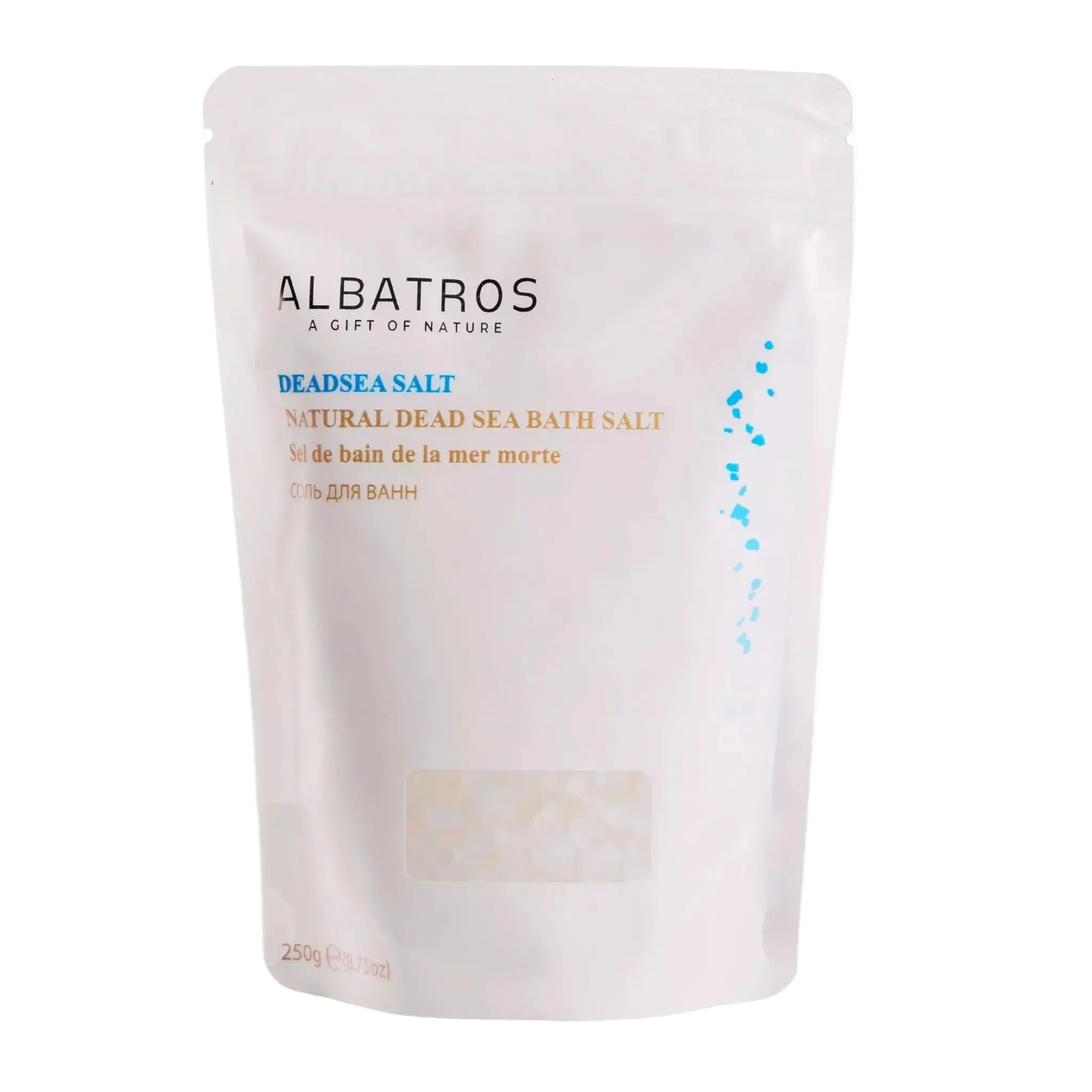
Dead Sea salt is the most researched natural mineral for psoriasis-prone skin. Here is what the clinical evidence actually shows, what it does not, and how to use it safely at home.
Ingrown hairs happen when hair grows back into the skin instead of out through it. Here's how to clear them safely and stop them coming back.
Dejar un comentario
Todos los comentarios se revisan antes de su publicación.
Este sitio está protegido por hCaptcha y se aplican la Política de privacidad de hCaptcha y los Términos del servicio.