


How to Choose a Moisturizer for Your Skin Type
The right moisturizer comes down to one thing: matching the formula to your skin’s actual needs. If you have oily skin, a rich cream will clog your pores. If your skin runs dry, a lightweight gel won’t cut it. The good news is that once you know your skin type and understand a handful of key ingredients, picking the right product gets much easier. Here’s what to look for:
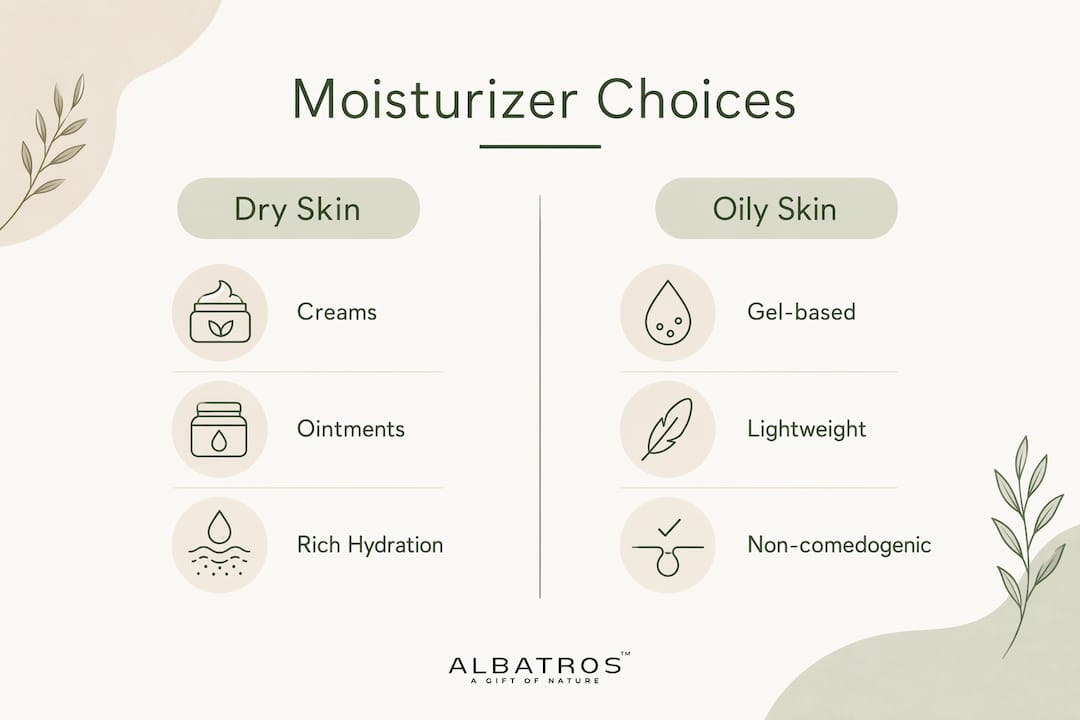
- Skin type first: Dry skin needs creams or ointments; oily skin needs lightweight, non-comedogenic gels; combination skin needs balanced formulas.
- Sensitive skin: Always choose fragrance-free and hypoallergenic formulas to reduce irritation risk.
- Daytime use: Look for broad-spectrum SPF 30 or higher to protect against UV damage.
- Ingredient awareness: Seek out humectants (hyaluronic acid, glycerin), occlusives (petrolatum, dimethicone), and emollients (shea butter, ceramides).
- Patch test: Always test a new product on a small area before applying it to your full face.
How do you know which moisturizer matches your skin type?
Your skin type is the single most useful filter when narrowing down your options. Choosing the right moisturizer for your skin type keeps skin hydrated, healthy, and balanced, according to StatPearls. The challenge is that many people either misidentify their skin type or ignore how it shifts with the seasons.
Dry skin
Dry skin lacks enough natural oil to maintain a healthy barrier, so it needs a moisturizer that both adds hydration and seals it in. Look for creams or ointments containing shea butter, ceramides, and glycerin. Lightweight gels simply won’t provide enough coverage for skin that’s already struggling to hold moisture. Board-certified dermatologist Dr. Jason A. Clark, FAAD, recommends skipping lotion entirely and going straight to a cream or ointment for dry skin.
Oily and acne-prone skin
Oily skin produces excess sebum, which can make heavy moisturizers feel suffocating and lead to breakouts. A gel-based, oil-free formula with hyaluronic acid or glycerin gives your skin the hydration it needs without adding grease. Skipping moisturizer altogether is a common mistake. When skin gets dehydrated, it often overproduces oil to compensate, which can actually worsen acne.
Combination skin
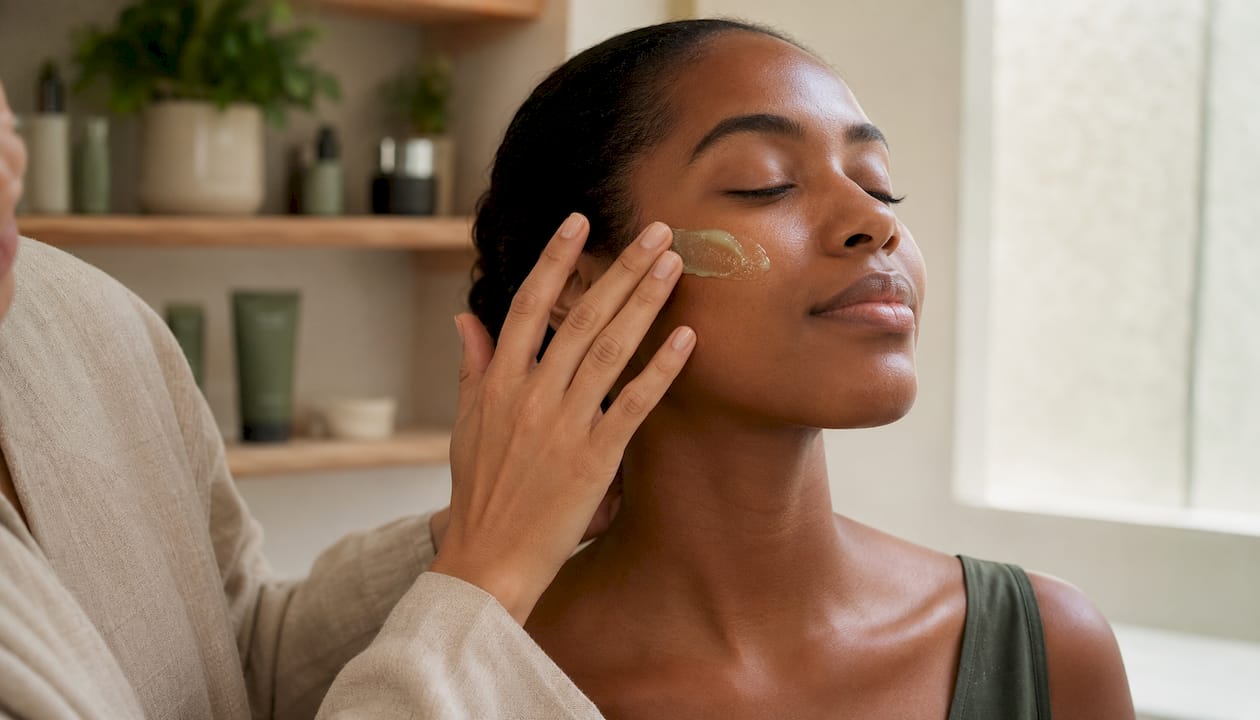
Combination skin is dry in some spots and oily in others, typically in the T-zone (forehead, nose, and chin). Dr. Rebecca Kazin, MD, FAAD, advises treating your face as two separate zones: moisturize the dry areas and skip the oily ones. A lightweight, oil-free formula with both humectants and occlusives, like glycerin and dimethicone, works well for the drier patches.
Sensitive skin
Sensitive skin reacts easily to fragrances, preservatives, and harsh chemicals. The safest approach is a fragrance-free, hypoallergenic formula with soothing ingredients like aloe vera or chamomile. Dr. Kazin also cautions against “all-natural” or organic lines for sensitive skin, since many plant-based ingredients can trigger allergic reactions. As she puts it, poison ivy is all-natural too.
Mature skin
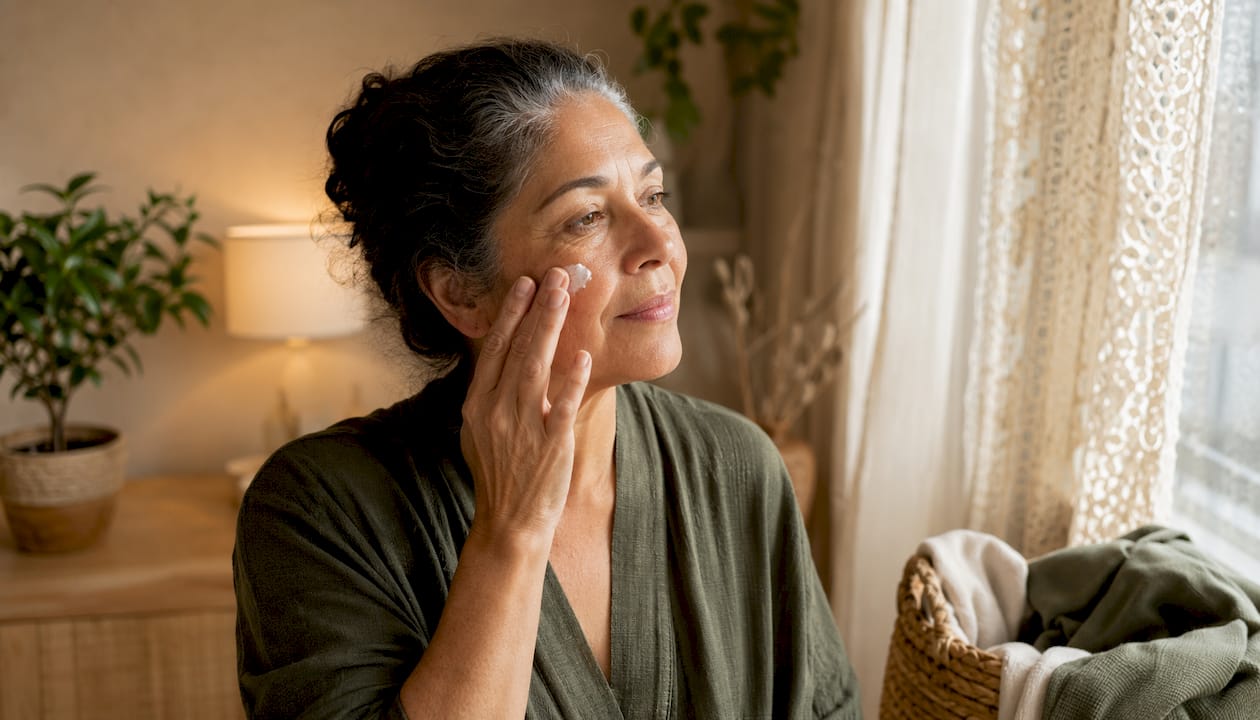
As skin ages, it becomes thinner and drier. Moisturizers with retinol or peptides can help improve texture and reduce fine lines, while a richer cream or ointment provides the deeper hydration that mature skin needs.
Here’s a quick reference by skin type:
- Dry: Rich cream or ointment with ceramides, shea butter, glycerin
- Oily: Lightweight, oil-free gel with hyaluronic acid or glycerin
- Combination: Balanced, oil-free formula; treat T-zone and dry areas separately
- Sensitive: Fragrance-free, hypoallergenic with aloe vera or chamomile
- Mature: Cream or ointment with retinol, peptides, or ceramides
Pro Tip: Your skin type can shift between seasons. If your skin feels tighter and flakier in winter, it may need a richer formula than what works for you in summer.
What ingredients in a moisturizer actually do the work?
Most moisturizers rely on three categories of ingredients, and understanding what each one does helps you read a label with confidence. According to the Cleveland Clinic, effective moisturizers combine humectants, occlusives, and emollients to hydrate, seal moisture, and smooth skin.
Humectants
Humectants attract water and bind it to the skin, pulling moisture from the environment and from deeper skin layers. The most common examples are hyaluronic acid and glycerin, both of which hydrate without feeling heavy or greasy. They’re a good fit for almost every skin type, including oily and acne-prone skin.
Occlusives
Occlusives form a physical barrier on the skin’s surface that slows water evaporation. They don’t add moisture on their own, but they lock in what’s already there. Common occlusives include petrolatum (petroleum jelly), dimethicone, mineral oil, and lanolin. Dr. Dawn Davis, M.D., of the Mayo Clinic, calls petrolatum “the most inert natural hypoallergenic product” you can find in a moisturizer. For acne-prone skin, lighter occlusives like dimethicone are a better choice than heavy oils.
Emollients
Emollients soften and smooth the skin by filling in the gaps between skin cells. Shea butter and ceramides are two of the most effective examples. Ceramides, in particular, are waxy lipid molecules that help rebuild the skin’s natural barrier, making them especially useful for dry or sensitive skin.
Key insight: Many moisturizers combine all three ingredient types because each one addresses a different part of the hydration equation. A humectant draws water in, an emollient smooths the surface, and an occlusive keeps it all from evaporating. Together, they work better than any single ingredient alone.
Terms worth knowing
- Non-comedogenic: Formulated to avoid clogging pores. Look for this label if you have oily or acne-prone skin. Ingredients like niacinamide, hyaluronic acid, and ceramides are typically pore-safe.
- Fragrance-free: Contains zero fragrance additives. This is different from “unscented,” which may still contain masking chemicals that can cause reactions in sensitive or reactive skin.
- Hypoallergenic: Formulated to minimize the risk of allergic reactions, though the term isn’t regulated by the FDA.
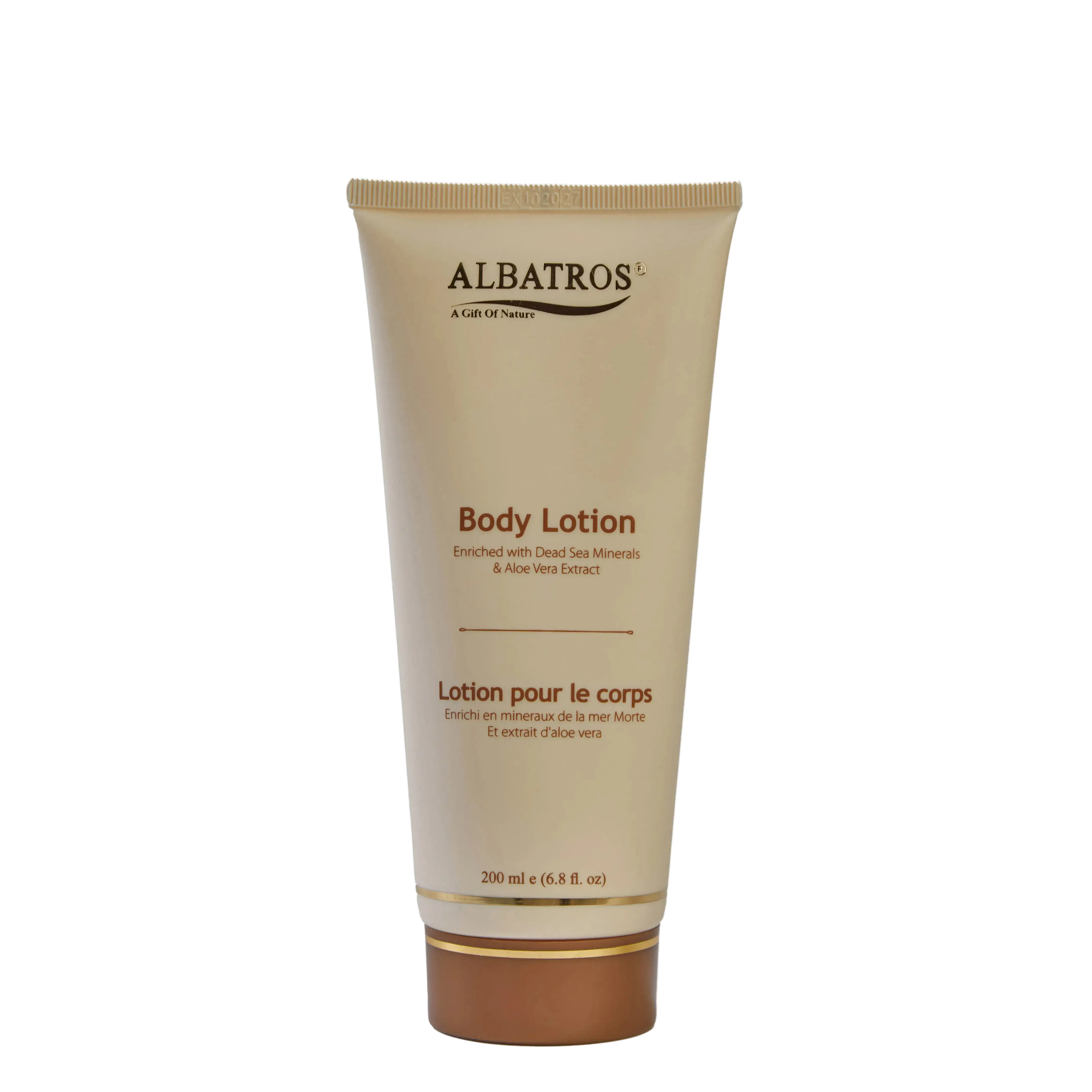
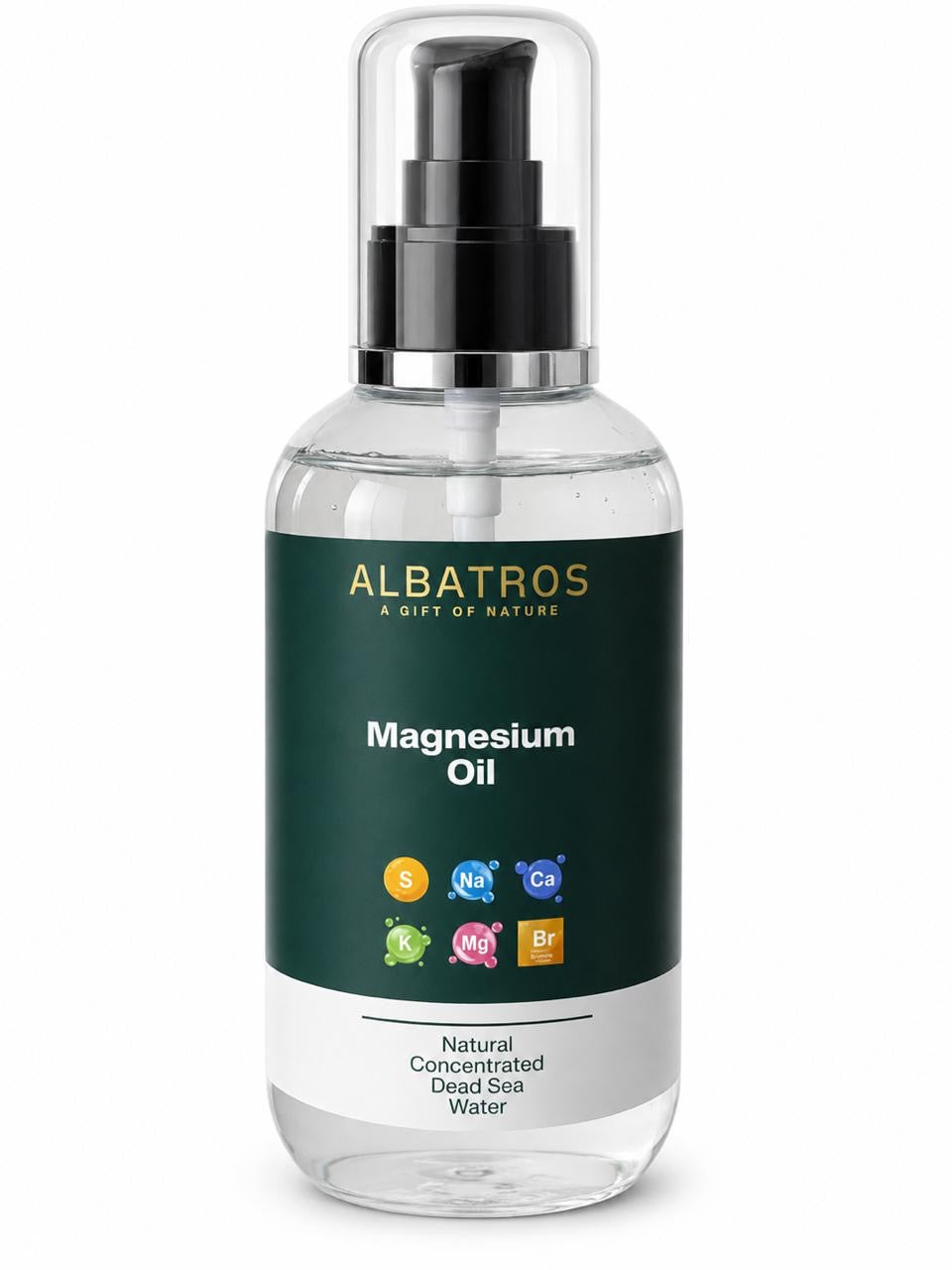
Albatros products lean on active natural ingredients like Dead Sea minerals, which are rich in magnesium, calcium, and potassium. These minerals support the skin barrier in a way that complements the humectant and emollient functions described above.
Expert tips for choosing and using your moisturizer well
Knowing what to look for on a label is only part of the picture. How and when you apply a moisturizer, and how you adjust your routine over time, makes a real difference in how well it works.
1. Apply within three minutes of bathing
The three-minute rule is one of the most practical tips dermatologists recommend. Applying moisturizer to damp skin traps surface water before it evaporates, which significantly boosts hydration. Thicker creams and ointments spread more easily on damp skin too, so you use less product.
2. Patch test every new product
Before applying anything new to your full face, test it on a small area, like the inside of your wrist or behind your ear, for 24–48 hours. If you notice redness, itching, or swelling, skip it. This step is especially important for sensitive or reactive skin.
3. Add SPF to your daytime routine
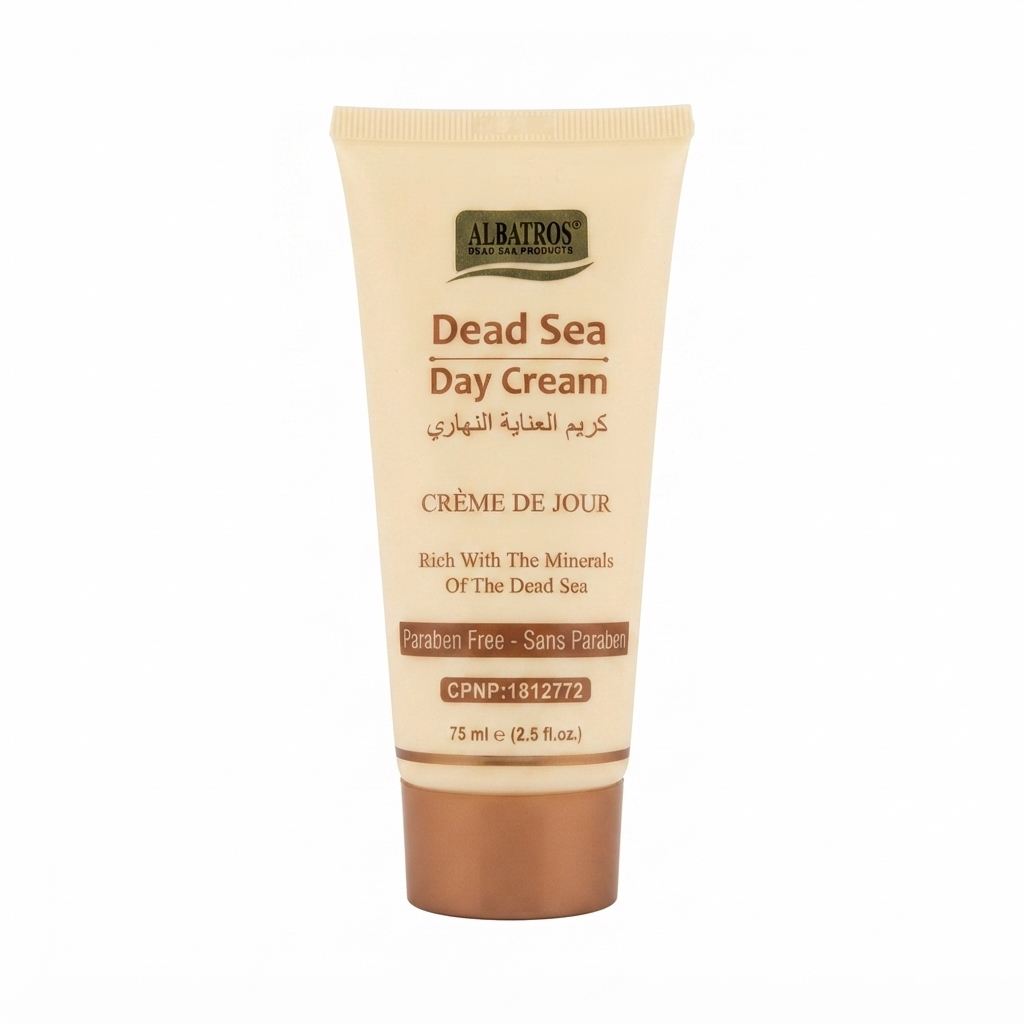
Sunscreen is the number one anti-aging treatment dermatologists recommend, and it should be part of every morning routine. The American Academy of Dermatology recommends broad-spectrum SPF 30 or higher, applied about 15 minutes before sun exposure. Many daytime moisturizers include SPF, which simplifies your routine without skipping protection.
4. Adjust with the seasons and your age
Your skin’s hydration needs change. Cold, dry winter air pulls moisture from the skin, often requiring a richer formula than what works in summer. The American Academy of Dermatology advises reassessing your moisturizer seasonally to keep pace with those shifts. Age also plays a role: perimenopausal people and anyone 50 or older tend to need a cream-based formula rather than a lotion.
5. Don’t skip moisturizer if your skin is oily
This is one of the most common mistakes. Dehydrated oily skin often produces even more oil to compensate, which can worsen breakouts. A lightweight, non-comedogenic moisturizer applied twice daily supports a healthy skin barrier and helps regulate sebum over time.
6. Keep the ingredient list simple for sensitive skin
Dr. Dawn Davis of the Mayo Clinic recommends minimal ingredient lists for anyone prone to contact dermatitis. Fewer ingredients mean fewer opportunities for a reaction. Avoid alcohol, alpha-hydroxy acids (AHAs), and fragrance if your skin is dry or reactive.
Dermatologist perspective: “Besides protecting against skin cancer, sunscreen is the No. 1 anti-aging treatment we know of. It shouldn’t be an extra step. It should be one of those steps that you already do.” — Dr. Rebecca Kazin, MD, FAAD
Pro Tip: If you have combination skin, try applying a richer cream only to the dry patches on your cheeks and jawline, and skip the center of your face entirely. Your nose and forehead likely don’t need it.
7. Don’t exfoliate dry or peeling skin
Exfoliating already-stressed skin strips it further and makes dryness worse. If your skin is flaking or tight, reach for a moisturizer first. Once the barrier is restored, you can reintroduce gentle exfoliation.
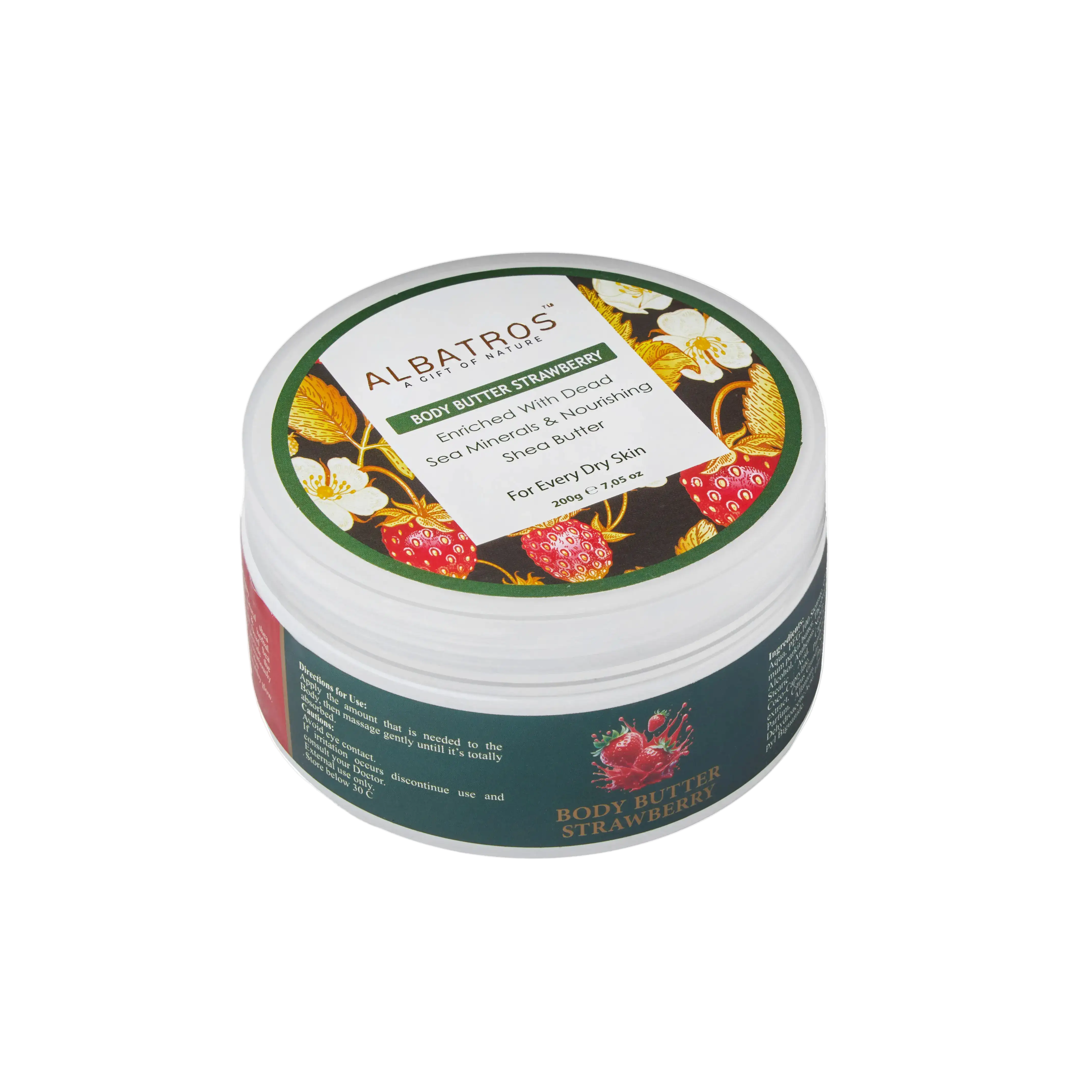
For dry or sensitive skin types, Albatros’s Aloe Vera Gel with Dead Sea Minerals offers a lightweight option that soothes without heaviness, while the Mango Body Butter delivers the richer coverage that very dry skin needs.
Key Takeaways
Matching your moisturizer to your skin type, using the right ingredients, and applying it correctly are the three factors that determine whether a moisturizer actually works for you.
| Point | Details |
|---|---|
| Skin type drives formula choice | Dry skin needs creams or ointments; oily skin needs lightweight, non-comedogenic gels. |
| Three ingredient categories matter | Humectants attract water, occlusives seal it in, and emollients smooth the surface. |
| Fragrance-free beats unscented | “Unscented” may still contain masking chemicals; only “fragrance-free” eliminates all fragrance additives. |
| Apply within three minutes of bathing | Damp skin absorbs moisturizer better and retains more hydration than dry skin does. |
| SPF belongs in your morning routine | Broad-spectrum SPF 30 or higher protects against UV damage and is the top anti-aging step dermatologists recommend. |
Ready to find your skin’s best match?

Albatros formulates every product with 100% natural Dead Sea minerals, chosen specifically for their ability to nourish, hydrate, and support the skin barrier. Whether you’re managing dryness, sensitivity, or the effects of aging, the Albatros Dead Sea Beauty Kit brings together a curated set of mineral-rich products designed to work together. Have questions about which formula fits your skin? The Dead Sea skincare FAQ covers the most common concerns in plain language.
Recommended
Leer más
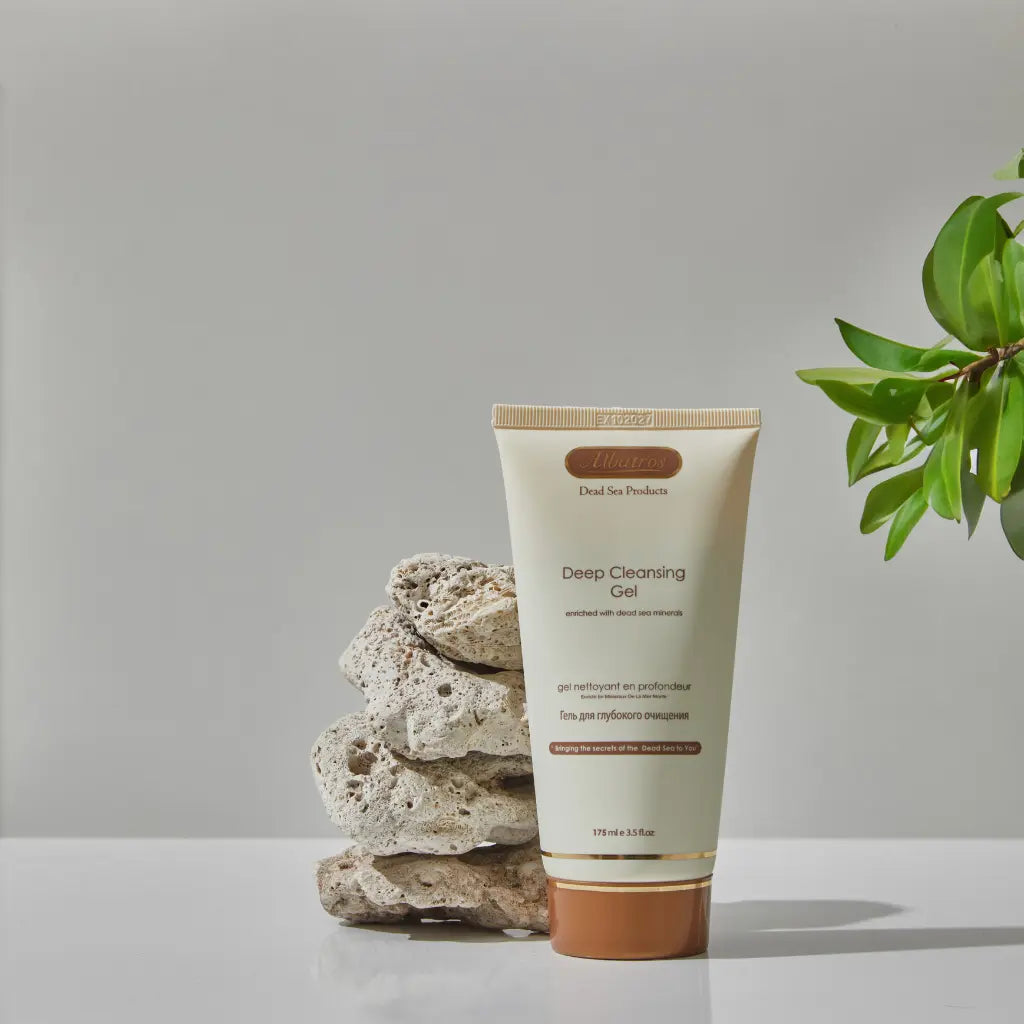
The Dead Sea holds one of nature's most powerful skincare secrets. Discover how its unique mineral composition — magnesium, potassium, calcium, and more — can transform your skin.
Discover the best Dead Sea eye cream for your skin. Compare top picks available in the US and find your ideal match for youthful eyes.
Dejar un comentario
Todos los comentarios se revisan antes de su publicación.
Este sitio está protegido por hCaptcha y se aplican la Política de privacidad de hCaptcha y los Términos del servicio.